Remote Patient Monitoring Needs an AI-Native Clinical Service.
Image File
Original HTML

Remote patient monitoring has enormous potential.

The premise is simple: instead of waiting for a patient’s next appointment to understand how they’re doing, healthcare organizations can use connected devices to continuously collect information outside traditional care settings.

But collecting more data doesn’t automatically create better care.

In fact, without the right operating model, it can create the opposite problem.

More readings.

More alerts.

More queues.

More work for already stretched clinical teams.

That’s why the next generation of remote patient monitoring can’t simply be about connecting devices to healthcare systems.

It needs to turn those signals into clinical action.

ThinkAndor® Remote Patient Monitoring is now available in Epic Toolbox for the Remote Patient Monitoring category, giving health systems a path toward an AI-native approach that combines connected devices, intelligent automation, integrated workflows, and clinical services.

The significance goes far beyond another integration.

It represents a different model for delivering continuous care.

The RPM Problem Has Never Been the Device

Healthcare has become increasingly capable of collecting patient-generated health data.

Blood pressure cuffs, scales, pulse oximeters, glucose monitors, and other connected devices can continuously provide valuable information about patients between traditional encounters.

But somebody—or something—still has to interpret that information.

A successful RPM program must answer a series of operational questions:

Which readings matter?

Which patients require attention?

Who should follow up?

What action should be taken?

How does that information become part of the patient’s longitudinal record?

And how can all of this happen without creating an unsustainable new workload for clinicians?

Simply sending device data into a dashboard doesn’t solve those problems.

An AI-native clinical service can.

From Data Collection to Intelligent Action

ThinkAndor® RPM continuously analyzes incoming patient information to identify potential clinical concerns and prioritize patients who may benefit from intervention.

That changes the role of remote monitoring.

Instead of clinicians manually reviewing every signal with equal urgency, AI can help continuously evaluate incoming information, organize work, and surface the situations most likely to require attention.

Clinicians remain responsible for clinical judgment.

But they don’t need to be the first layer of manual processing for every piece of data.

That is the central advantage of AI-native clinical services: AI does the work it can do, while clinicians focus on the work only they should do.

Meet Clinicians Where They Already Work

Healthcare technology adoption becomes dramatically harder when clinicians are asked to operate yet another application.

ThinkAndor® takes a different approach.

Patient-generated health data, device readings, alerts, and longitudinal trends can flow into the CHR so clinicians can review monitoring information within established workflows while the CHR remains the system of record.

That’s important because AI-native healthcare shouldn’t require replacing the EHR.

It should make the EHR—and the people working inside it—more effective.

The intelligence layer should operate across existing infrastructure, bringing the right information and actions into the clinical environment instead of forcing clinicians to continually move between disconnected systems.

Technology Alone Doesn’t Operate an RPM Program

Even with AI, health systems still face another challenge: clinical capacity.

Remote patient monitoring requires ongoing patient engagement, care coordination, education, escalation, and follow-up.

Traditionally, expanding those programs meant building internal teams alongside the technology.

ThinkAndor® approaches the problem differently.

Through integrated clinical services, nurses, care navigators, dietitians, and other clinical resources can support patient engagement, monitoring, and care coordination based on the needs of the health system.

That turns RPM from a software implementation into an AI-native clinical service.

Instead of giving the health system another platform and asking it to build an operating model around the technology, AI infrastructure and clinical capacity can operate together.

Expanding Access Without Expanding Complexity

The model becomes particularly important when healthcare organizations want to reach rural and underserved populations.

Remote monitoring often assumes patients have reliable broadband, compatible smartphones, and the technical ability to configure connected devices.

Those assumptions can unintentionally exclude many of the people who could benefit most from continuous care.

ThinkAndor® can support cellular-enabled monitoring devices designed to reduce those technology barriers.

The objective is simple: participation in continuous care shouldn’t depend on a patient’s ability to become their own IT department.

Removing those barriers can help health systems extend monitoring programs beyond digitally sophisticated patient populations and into communities where access to traditional care may already be limited.

A Practical Foundation for CMS ACCESS

This capability also takes on new significance as CMS advances the ACCESS Model.

ACCESS represents a shift toward technology-supported chronic care in which healthcare organizations are increasingly accountable for continuous engagement and outcomes.

Psynergy Health, an Andor Ventures company and CMS ACCESS participant, uses ThinkAndor® as the technology foundation supporting its ACCESS clinical model.

For health systems, that creates an important opportunity.

Rather than assembling devices, monitoring software, AI capabilities, clinical staffing, EHR integration, and chronic-care workflows from separate vendors, organizations can move toward an integrated model built around AI-native clinical services.

The Future of RPM Is Continuous Care

Remote patient monitoring shouldn’t ultimately be measured by the number of devices deployed or readings collected.

It should be measured by what happens because those readings exist.

Was risk identified earlier?

Was the right clinician engaged?

Was unnecessary work avoided?

Did patients remain connected to their care teams?

Did the organization increase the number of patients it could effectively manage?

Did outcomes improve?

Those questions move RPM from a technology conversation to a healthcare-delivery conversation.

Connected devices provide the signal.

AI provides continuous intelligence and orchestration.

Clinicians provide judgment and care.

And the EHR provides the longitudinal clinical record.

Bringing those components together is what turns remote patient monitoring into continuous care.

That’s the promise of AI-native clinical services: not another system clinicians have to operate, but an operating model that helps healthcare organizations deliver the outcome.
Class (B2B/B2C)
B2B
Ingest Status
Rewritten
Dedupe hash
5f6cd3d1b3757918899de5ac402c5062
Press Eligible
Yes
Press Eligible Reason
Healthcare technology and clinical service model for health systems and clinicians.
Source Name
Andor Health
Original Summary

Remote patient monitoring has enormous potential.

Image URL
https://andorhealth.com/wp-content/uploads/2026/08/Andor20Health20Article2023520Image.png
Source Node
Content Hash (SHA-256, erste 32 hex)
a421dce3ebe053ec69689969d2300b59
From AI to Outcomes: Scaling Transitional Care Across UPMC
Image File
Original HTML

Healthcare has no shortage of promising technology. The harder question is what happens after it is deployed.

Who reaches the patient after discharge? Who identifies emerging risks? Who coordinates follow-up? And ultimately, who is accountable for the outcome?

UPMC is addressing those questions by expanding its AI-native transitional care management model from UPMC Jameson to 18 hospitals this fall, working with Andor Health and Psynergy Health.

Closing the Gap After Discharge

The transition from hospital to home is one of the most critical points in a patient’s care journey. Patients are navigating new medications, follow-up appointments, changing symptoms, and recovery, often without the same level of support they had in the hospital.

Traditional transitional care programs can require clinicians to spend significant time on outreach, screening, documentation, and reviewing information before they can focus on the patients who need their expertise most.

AI-native clinical services change that model.

ThinkAndor® uses AI to automate initial outreach, analyze clinical information, prioritize emerging needs, and prepare clinicians for patient encounters. Every enrolled patient receives outreach within 48 hours of discharge, while patients requiring additional support can be escalated to a care coordinator.

Across transitional care workflows, Andor has seen a 63% reduction in clinician time spent on non-clinical tasks per encounter and an 82% reduction in non-actionable monitoring alerts.

Technology and Clinical Services Working Together

Technology alone does not deliver transitional care.

Patients still need clinical judgment, education, coordination, and human connection. That is why ThinkAndor® works alongside clinical services from Psynergy Health and UPMC’s care teams.

Together, the model supports outreach, scheduling, clinical encounters, documentation, and ongoing care coordination. AI handles work that can be automated while clinicians focus their expertise where it creates the greatest value.

This is the foundation of AI-native clinical services, bringing technology and clinical care together around measurable outcomes.

Scaling What Works

UPMC’s expansion also shows that successful AI transformation is about more than deploying technology across additional hospitals.

Over approximately 18 months, UPMC, Andor Health, and Psynergy Health have continued refining the program based on real-world experience, including strengthening patient education, moving automated check-ins earlier, and co-branding outreach to reinforce the connection with UPMC.

The goal is simple: keep patients connected to their care team, identify needs earlier, and make it easier for clinicians to intervene when their expertise is required.

That can help health systems reduce avoidable readmissions, address referral leakage, expand clinical capacity, and strengthen continuity after discharge.

Owning the Outcome

The next evolution of healthcare AI is not about giving clinicians another tool.

It is about combining AI, clinical expertise, and care delivery in a model designed around accountability.

UPMC’s expansion to 18 hospitals demonstrates what that evolution can look like at scale.

AI helps identify and orchestrate the work. Clinicians provide the judgment and care. Together, UPMC, Andor Health, and Psynergy Health are building a model focused not simply on deploying technology, but on owning the outcomes that matter for patients.

Class (B2B/B2C)
B2B
Ingest Status
Rewritten
Dedupe hash
dfd4e13e569c321063cfb83a6da93696
Press Eligible
Yes
Press Eligible Reason
Healthcare AI deployment and clinical services expansion across UPMC hospitals.
Source Name
Andor Health
Original Summary

Healthcare has no shortage of promising technology. The harder question is what happens after it is deployed.

Image URL
https://andorhealth.com/wp-content/uploads/2026/08/image2028529-2.png
Source Node
Content Hash (SHA-256, erste 32 hex)
2a55162f82ce21d21337ebc07be26ca9
Founder Group Limited Secures US$5 Million EPC Contract for a 5.5MW Solar Plant under Malaysia’s LSS5 PETRA Programme
Image File
Original HTML

Founder Group Limited Secures US$5 Million EPC Contract for a 5.5MW Solar Plant under Malaysia’s LSS5 PETRA Programme

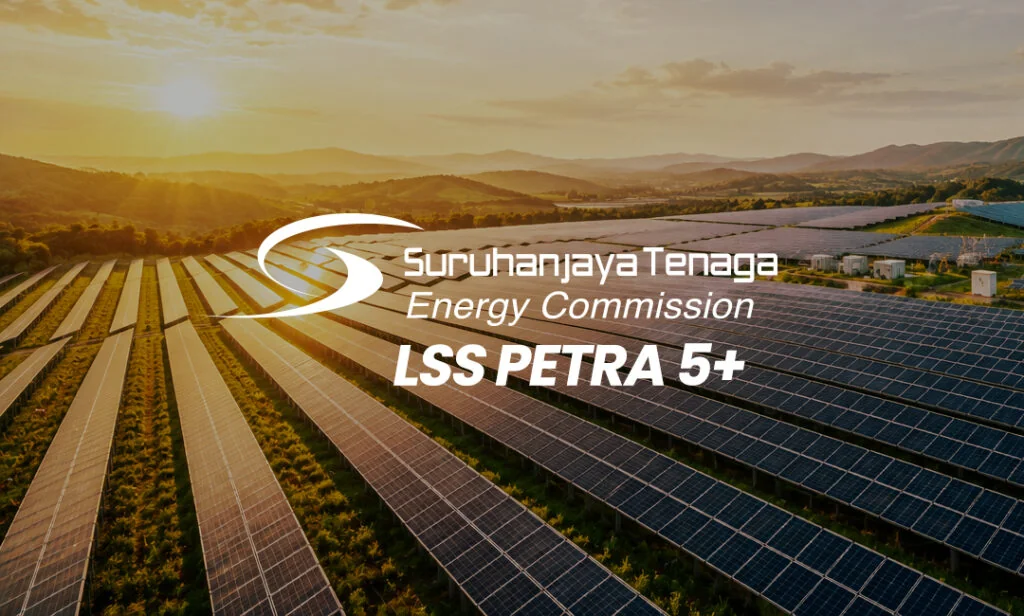
KUALA LUMPUR, Malaysia, March 16, 2026 (GLOBE NEWSWIRE) — Founder Group Limited (NASDAQ: FGL) (“Founder Group” or the “Company”), a leading engineering, procurement, construction, and commissioning (EPCC) solutions provider for solar photovoltaic (PV) systems in Malaysia, today announced that it has secured a RM19.5 million (approximately US$5 million) EPC contract for a 5.5MW solar facility. The contract was awarded by a prominent solar investment company under Malaysia’s Large Scale Solar 5 (“LSS5”) programme.

The LSS5 programme, also known as Peralihan Tenaga SuRiA (PETRA), represents Malaysia’s largest solar tender to date. With a total generation quota of 2,000 megawatts (MW), LSS5 more than doubles the capacity offered in previous iterations, underscoring the accelerating momentum of the country’s renewable energy sector.

The rollout of LSS PETRA and LSS PETRA 5+ is a key component of Malaysia’s broader strategy to accelerate renewable-energy deployment under the Malaysia MADANI framework and the National Energy Transition Roadmap (NETR), supporting the nation’s target of achieving Net Zero emissions by 2050.

Since its inception in 2016, the LSS programme has been a major catalyst for Malaysia’s Renewable Energy (RE) industry. To date, approximately 121 Large Scale Solar (“LSS”) projects have been approved, representing a combined capacity of 6,228 MW and an estimated investment value exceeding RM21 billion.

Project Scope and it’s Deliverable

Under the newly-secured contract, the Founder Group will oversee the design, construction testing and commissioning of the 5.5 MW solar facility. The project is expected to deliver a guaranteed Maximum Annual Available Capacity (MAAQ) of 13,568.8 megawatt‑hours (MWh) during its first two years of operation. The project has committed to delivering a guarantee of Maximum Annual Available Capacity (MAAQ) guarantee of 13,568.8 megawatts- per hour (MWh) for the first initial two years of power generation operation period. The project is scheduled to achieve commercial operation by May 1, 2027.

The contract win aligns with positive market sentiment regarding Malaysia’s renewable energy landscape. Analysts maintain an “overweight” stance on the sector, citing consistent policy execution, increasing quota allocations, and strong momentum in the solar segment as key drivers of long‑term growth.

“Building on our proven track record in delivering utility-scale projects since LSS4, we are proud to play a key role in this landmark LSS5 cycle,” said Lee Seng Chi, Chief Executive Officer of Founder Group Limited. “Our team remains committed to the technical excellence and operational agility required to ensure successful energization by early 2027, further strengthening our position as a preferred EPCC partner in the region.”

Class (B2B/B2C)
B2B
Ingest Status
Rewritten
Dedupe hash
09f578dad9c2f8762f530c177d0a742d
Press Eligible
Yes
Press Eligible Reason
Company announcement of a solar EPC contract and project delivery under Malaysia’s renewable energy programme.
Source Name
Founder Group Limited
Original Summary

Batteries are the most expensive part of a solar system. Between appropriately-size battery bank and a battery-based inverter like the Outback Radian, you’re looking...

Image URL
https://www.founderenergy.com.my/wp-content/uploads/2026/03/LSS_Petra-1-1024x616.jpg
Source Node
Content Hash (SHA-256, erste 32 hex)
10749342952cfbb4e21c68a2058c7be2
Founder Group Limited Announces Additional US$8.6 Million Contract Under Malaysia’s Large Scale Solar Programme
Image File
Original HTML

Founder Group Limited Announces Additional US$8.6 Million Contract Under Malaysia’s Large Scale Solar Programme

KUALA LUMPUR, Malaysia, March 25, 2026 (GLOBE NEWSWIRE) — Founder Group Limited (NASDAQ: FGL) (“Founder Group” or the “Company”), a leading engineering, procurement, construction, and commissioning (EPCC) solutions provider for solar photovoltaic (PV) systems in Malaysia, today announced that, in collaboration with a prominent solar investment company, it has secured an EPC contract valued at RM34 million (approximately US$8.6 million) under Malaysia’s Large Scale Solar 5 (“LSS5”) programme.

As per the newly signed contract, Founder Group will undertake the design, construction, testing and commissioning of the 9.5 MW solar facility the Company agreed to build under LSS5 earlier this month. That facility is scheduled to achieve commercial operation not later than May 1, 2027.

To date, Founder Group has secured total contract value of about RM70 million (approximately US$17.7 million) under LSS5.

Also known as Peralihan Tenaga SuRiA (PETRA), LSS5 is part of the Malaysian government’s ongoing efforts to achieve a target of 70 percent renewable‑energy (RE) installed capacity and carbon neutrality by 2050. This ambitious RE installed capacity is considered a significant step for the adoption of solar energy in the country, reinforcing the nation’s long‑term commitment to clean energy transition.

According to MBSB Investment Bank Bhd (MBSB Research), Malaysia may soon launch LSS6, potentially adding another 2GW of solar capacity alongside requirements for battery energy storage systems (BESS). This launch, said MBSB, could support a multi-year growth trajectory for solar players, with solar projected to account for more than half of Malaysia’s power capacity mix by 2050.

“This new LSS5 contract, coming shortly after our recently announced LSS5 award, demonstrates the accelerating trust in our technical capability and reinforces the momentum we are building across Malaysia’s utility‑scale solar market,” said Founder Group Chief Executive Officer Lee Seng Chi.

“The Company aims to leverage this milestone to secure additional contracts under LSS6, Corporate Renewable Energy Sourcing Schemes (CRESS) to create electricity from renewable sources, and from various regional solar opportunities, thereby laying the foundation for sustained recurring revenue generation.”

Class (B2B/B2C)
B2B
Ingest Status
Rewritten
Dedupe hash
45aee064194fa4163027aed352cccab8
Press Eligible
Yes
Press Eligible Reason
Company contract award and solar energy industry news for business professionals.
Source Name
Founder Group Limited
Original Summary

Batteries are the most expensive part of a solar system. Between appropriately-size battery bank and a battery-based inverter like the Outback Radian, you’re looking...

Image URL
https://www.founderenergy.com.my/wp-content/uploads/2026/03/Addon_contract-1024x616.jpg
Source Node
Content Hash (SHA-256, erste 32 hex)
cd643dcde10ef7455df882e5009af55b
Founder Group Limited Regains Compliance with Nasdaq’s Minimum Publicly Held Shares Requirement
Image File
Original HTML

Founder Group Limited Regains Compliance with Nasdaq’s Minimum Publicly Held Shares Requirement

SELANGOR, Malaysia, April 10, 2026 (GLOBE NEWSWIRE) — Founder Group Limited (NASDAQ: FGL) (“FGL” or the “Company”) today announced that on April 9, 2026, it received a letter from the Listing Qualifications Department of The Nasdaq Stock Market LLC (“Nasdaq”) confirming that the Company has regained compliance with Nasdaq’s minimum publicly held shares requirement under Listing Rule 5550(a)(4) (the “Listing Rule”).

Class (B2B/B2C)
Ignore
Ingest Status
Rejected
Dedupe hash
0fe5f459e18b3901e716b14772a2b66e
Press Eligible
No
Press Eligible Reason
Text too short (76 words. Min: 150)
Source Name
Founder Group Limited
Original Summary

Batteries are the most expensive part of a solar system. Between appropriately-size battery bank and a battery-based inverter like the Outback Radian, you’re looking...

Image URL
https://www.founderenergy.com.my/wp-content/uploads/2026/08/Compliance-1024x616.jpg
Source Node
Content Hash (SHA-256, erste 32 hex)
e13f28fa960f437f537ee37c227c7e62
Founder Group Limited Secures First Aquaculture Contract, a US$1.2 million 1.4 MW Rooftop System for a Terengganu Shrimp Farm
Image File
Original HTML

Founder Group Limited Secures First Aquaculture Contract, a US$1.2 million 1.4 MW Rooftop System for a Terengganu Shrimp Farm

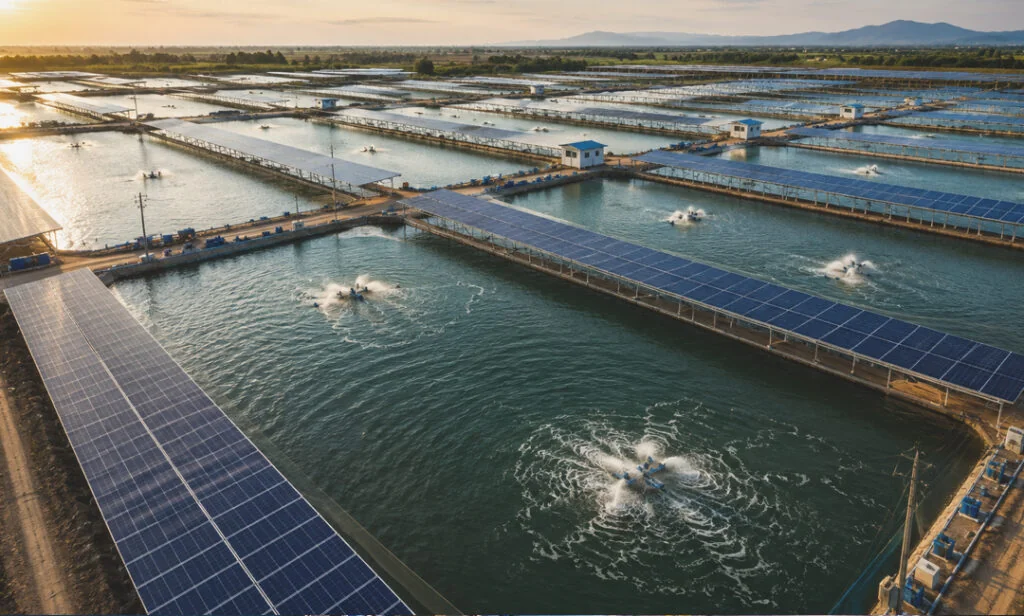
KUALA LUMPUR, Malaysia, Aug. 10, 2026 (GLOBE NEWSWIRE) — Founder Energy Sdn Bhd, a subsidiary of Founder Group Limited (NASDAQ: FGL) (“Founder Group” or the “Company”), has signed a turn-key EPCC (engineering, procurement, construction and commissioning) contract to build a 1.4MW-peak rooftop solar system for a client that operates an integrated shrimp farm across three sites in Bandar Permaisuri, Terengganu. The contract is valued at approximately RM4.7 million (US$1.15 million).

Malaysia Renewable Energy Acceleration

Malaysia’s renewable energy (RE) sector is undergoing rapid structural growth, driven by national policy initiatives under the National Energy Transition Roadmap (NETR), which targets 70% RE capacity by 2050. Driven by new market mechanisms: including the Corporate Renewable Energy Supply Scheme (CRESS), the launch of Solar ATAP (Solar Accelerated Transition Action Programme), and upcoming Large-Scale Solar (LSS6) frameworks where expected investment ranging RM13 billion to RM15 billion (USD 3.2 billion to USD3.7 billion).

With national utility tariffs adjusting under Regulatory Period 4 (RP4) and fluctuating Automatic Fuel Adjustments (AFA), energy-intensive businesses are increasingly seeking distributed solar solutions to insulate their bottom line from power cost volatility.

Addressing Critical Energy Overhead in Regional Aquaculture

Securing this contract also marking our first EPCC provider for aquaculture contract, operating on a sector the company had not previously served. According to the Department of Fisheries Malaysia, domestic aquaculture produced over 500,000 metric tons valued at approximately US$1 billion in 2023. Under the National Agro-Food Policy 2.0, the government aims to expand aquaculture output to 40% of total fisheries production by 2030, driving significant power requirements across coastal and rural farming facilities.

The adoption of solar energy in commercial aquaculture is rapidly expanding across Southeast Asia. In farming operations, electricity and fuel represent the second-largest controllable expense after feed. Recent regional studies in Brunei and Taiwan demonstrate that rooftop solar can lower aquaculture power costs by as much as 72%, while government-backed solar initiatives in Indonesia achieved up to 50% grid-electricity savings by powering continuous 24/7 pond aeration equipment.

Expanding Service Capabilities: Full-Suite EPCC & AI-Powered O&M

Under the contract, Founder Energy’s scope covers supply and installation of the panels, inverters, mounting structures, cabling and related equipment, plus coordination with national utility Tenaga Nasional Berhad, TNB to connect the system to the grid.

Beyond the turnkey EPCC execution, Founder Group in general also provides long-term asset lifecycle management. The Company integrate the Company’s proprietary AI-driven Operations & Maintenance (O&M) technologies. Featuring automated diagnostics, predictive maintenance algorithms, and drone-assisted visual and thermal inspections. Founder Group’s O&M platform autonomously identifies anomalies and detects module defects without human intervention. This ensures uninterrupted system uptime, minimizes performance degradation, and guarantees energy output for high-stakes, 24/7 commercial operations.

CEO Commentary

“Aquaculture is a non-stop, high demand industry where energy cost efficiency directly safeguards production yield and business continuity,” said Lee Seng Chi, chief executive officer of Founder Group Limited. “For farm operators, power is not an administrative cost, it is a core operational driver. By deploying solar energy, we are enabling operators to stabilize their energy costs, insulate their margins against tariff volatility, and achieve meaningful sustainable decarbonization. This milestone project establishes a proven model for how renewable energy can transform traditional food production sectors across Malaysia and the broader region.”

In short, Founder Group’s expansion into aquaculture sector provides a scalable operational blueprint for commercial aquaculture farms seeking to reduce reliance on grid electricity and diesel power while improving long-term business profitability.

Ingest Status
Rejected
Dedupe hash
9c2bed3541d6c725c874725e3e6f7f1b
Source Name
Founder Group Limited
Original Summary

Batteries are the most expensive part of a solar system. Between appropriately-size battery bank and a battery-based inverter like the Outback Radian, you’re looking...

Image URL
https://www.founderenergy.com.my/wp-content/uploads/2026/08/Aquaculture-1024x616.jpg
Source Node
Content Hash (SHA-256, erste 32 hex)
41e50da629d10e4c6af8d53238f36d14
Founder Group Limited Secures Second Aquaculture Contract, a US$1.4 million 1.78 MW rooftop system for a Kedah shrimp Farm
Image File
Original HTML

Founder Group Limited Secures Second Aquaculture Contract, a US$1.4 million 1.78 MW rooftop system for a Kedah shrimp Farm

KUALA LUMPUR, Malaysia, Aug. 12, 2026 (GLOBE NEWSWIRE) — Founder Energy Sdn Bhd, a subsidiary of Founder Group Limited (NASDAQ: FGL) (“Founder Group” or the “Company”), has signed a turn-key EPCC (engineering, procurement, construction and commissioning) contract to build a 1.78 MW-peak rooftop solar system for a client that operates a facility powers shrimp farming and processing plant in Ayer Hitam, Kedah. The contract is valued at approximately RM5.58 million (US$1.37 million).

Malaysia Renewable Energy Acceleration

Malaysia’s renewable energy (RE) sector is undergoing rapid structural growth, driven by national policy initiatives under the National Energy Transition Roadmap (NETR), which targets 70% RE capacity by 2050. Driven by new market mechanisms: including the Corporate Renewable Energy Supply Scheme (CRESS), the launch of Solar ATAP (Solar Accelerated Transition Action Programme), and upcoming Large-Scale Solar (LSS6) frameworks where expected investment ranging RM13 billion to RM15 billion (USD 3.2 billion to USD3.7 billion).

With national utility tariffs adjusting under Regulatory Period 4 (RP4) and fluctuating Automatic Fuel Adjustments (AFA), energy-intensive businesses are increasingly seeking distributed solar solutions to insulate their bottom line from power cost volatility.

Expanding Footprint in Malaysia’s Aquaculture Sector

Securing this contract also marking our second major clean energy project tailored for the agricultural sector, following its first shrimp farm project in Terengganu, and its first to combine an integrated shrimp farm with a processing plant. This facility is engineered to deliver a 25-year operational design life, supplying clean energy directly to its agricultural operations while supporting Malaysia’s broader commercial decarbonization targets.

According to the Department of Fisheries Malaysia, domestic aquaculture produced over 500,000 metric tons valued at approximately US$1 billion in 2023. Under the National Agro-Food Policy 2.0, the government aims to expand aquaculture output to 40% of total fisheries production by 2030, driving significant power requirements across coastal and rural farming facilities.

The adoption of solar energy in commercial aquaculture is rapidly expanding across Southeast Asia. In farming operations, electricity and fuel represent the second-largest controllable expense after feed. Recent regional studies in Brunei and Taiwan demonstrate that rooftop solar can lower aquaculture power costs by as much as 72%, while government-backed solar initiatives in Indonesia achieved up to 50% grid-electricity savings by powering continuous 24/7 pond aeration equipment.

Expanding Service Capabilities: Full-Suite EPCC & AI-Powered O&M

Under the contract, Founder Energy’s scope is to manage the complete EPCC, including structural integrity assessments, plus coordination with national utility Tenaga Nasional Berhad, TNB to connect the system to the grid, and to comply with the FM Global standard.

Beyond the turnkey EPCC execution, Founder Group in general also provides long-term asset lifecycle management. The Company integrate the Company’s proprietary AI-driven Operations & Maintenance (O&M) technologies. Featuring automated diagnostics, predictive maintenance algorithms, and drone-assisted visual and thermal inspections. Founder Group’s O&M platform autonomously identifies anomalies and detects module defects without human intervention. This ensures uninterrupted system uptime, minimizes performance degradation, and guarantees energy output for high-stakes, 24/7 commercial operations.

CEO Commentary 

“Following our entry into aquaculture contract based in Terengganu, this second contract confirms that our solar technology is repeatable and on demand across this sector,” said Lee Seng Chi, chief executive officer of Founder Group Limited. “Aquaculture is a non-stop, high demand industry where energy cost efficiency directly safeguards production yield and business continuity. For farm operators, power is not an administrative cost, it is a core operational driver. By deploying solar energy, we are enabling operators to stabilize their energy costs, insulate their margins against tariff volatility, and achieve meaningful sustainable decarbonization. This project further establishes our operational blueprint for how renewable energy can transform traditional food production sectors across Malaysia and the broader region.”

In short, Founder Group’s expansion into aquaculture sector provides a scalable operational blueprint for commercial aquaculture farms seeking to reduce reliance on grid electricity and diesel power while improving long-term business profitability.

Class (B2B/B2C)
B2B
Ingest Status
Rewritten
Dedupe hash
f479dd2e9d3e5624218d2d6319cce153
Press Eligible
Yes
Press Eligible Reason
Company contract win for a commercial rooftop solar project serving an aquaculture operation.
Source Name
Founder Group Limited
Original Summary

Batteries are the most expensive part of a solar system. Between appropriately-size battery bank and a battery-based inverter like the Outback Radian, you’re looking...

Image URL
https://www.founderenergy.com.my/wp-content/uploads/2026/08/Aquaculture_kedah-1024x616.jpg
Source Node
Content Hash (SHA-256, erste 32 hex)
8328c66fba9069cc613d82533881f683
Founder Group Secures US$1.5 million EPCC Subcontract under Malaysia’s Corporate Green Power Programme for 29.99MWac Large-Scale Solar Facility in Kedah
Image File
Original HTML

Founder Group Secures US$1.5 million EPCC Subcontract under Malaysia’s Corporate Green Power Programme for 29.99MWac Large-Scale Solar Facility in Kedah

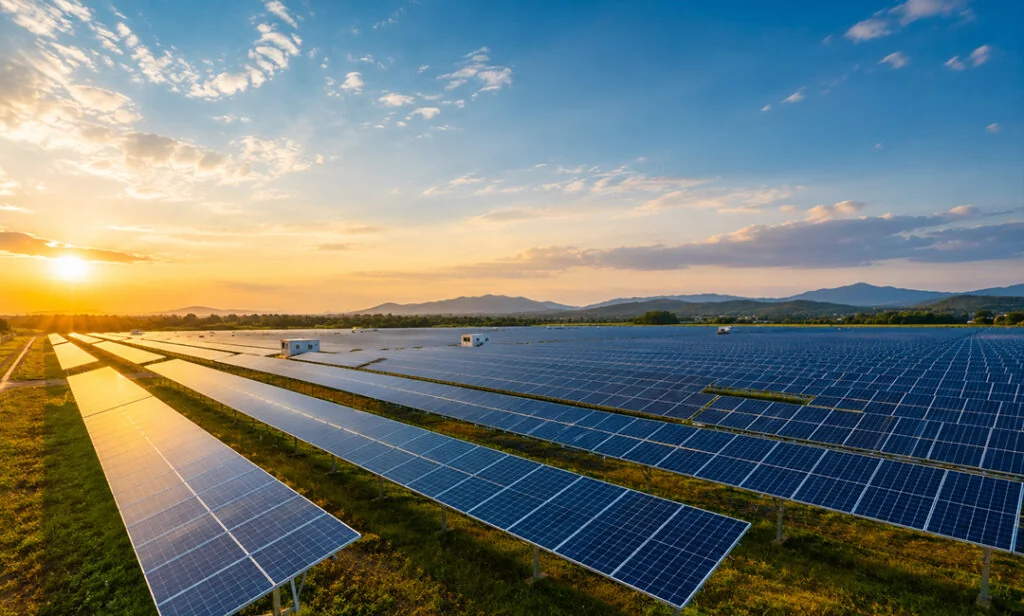
KUALA LUMPUR, Malaysia, Aug. 20, 2026 (GLOBE NEWSWIRE) — Founder Energy Sdn Bhd, a subsidiary of Founder Group Limited (NASDAQ: FGL) (“Founder Group” or the “Company”), has been engaged as subcontractor under Malaysia’s Corporate Green Power Programme (CGPP) for the procurement, electrical and mechanical installation and commissioning of a 29.99MWac large-scale solar photovoltaic facility in Daerah Kuala Muda, Kedah. The engagement is valued at RM6.05 million (approximately US$1.5 million). CGPP is a national mechanism enabling corporates to directly procure renewable energy from large-scale solar developers via the grid, supporting corporate decarbonization commitments while adding grid-scale renewable capacity in Malaysia.

Malaysia’s Renewable Energy Acceleration: CGPP and the New LSS6 Programme

Malaysia’s renewable energy (RE) sector is undergoing rapid structural growth, driven by national policy initiatives under the National Energy Transition Roadmap (NETR), which targets 70% RE capacity by 2050. Driven by new market mechanisms: including the Corporate Renewable Energy Supply Scheme (CRESS), the launch of Solar ATAP (Solar Accelerated Transition Action Programme).

In July 2026, the Ministry of Energy Transition and Water Transformation (PETRA) launched the Large-Scale Solar (LSS6) frameworks which offers 2,500MW solar capacity which expected to attract investment ranging RM13 billion to RM15 billion (approximately US$3.2 billion to US$3.7 billion).

For Founder Group, the combination of CGPP’s corporate offtake demand and LSS6’s expanded utility-scale pipeline represents a significant tender book and order book opportunity. As energy-intensive businesses seek to insulate themselves from tariff volatility under Regulatory Period 4 (RP4) and fluctuating Automatic Fuel Adjustments (AFA), and as national utility-scale capacity targets accelerate, the Company expects growing demand for EPCC across both the large-scale solar and commercial and industrial (C&I) segments, alongside continued growth in operations and maintenance (O&M) services for the industry nationwide.

Expanding Service Capabilities: Full-Suite EPCC & AI-Powered O&M

Under the LOA, Founder Energy’s scope covers procurement, electrical and mechanical installation, and commissioning of the solar facility, excluding major equipment to be purchased directly by main contractor. Founder Energy’s responsibilities include obtaining and maintaining all approvals, licenses, clearances and permits required for construction and operation, and delivering, installing, testing and commissioning the system up to the interconnection point in accordance with Prudent Utility Practices and Tenaga Nasional Berhad (TNB) requirements.

Beyond the turnkey EPCC execution, Founder Group also provides long-term asset lifecycle management. The Company integrate the Company’s proprietary AI-driven Operations & Maintenance (O&M) technologies. Featuring AI-driven diagnostics, predictive maintenance algorithms, and drone-assisted visual and thermal inspection technologies designed to identify anomalies and detect module defects with minimal manual intervention, supporting uptime and performance across solar assets.

CEO Commentary

“Being engaged as subcontractor for the electrical and mechanical installation and commissioning scope on a near-30MW facility reflects the trust that major industry players place in our execution capability,” said Lee Seng Chi, chief executive officer of Founder Group Limited. “Programmes like CGPP, and now the newly launched LSS6, are central to Malaysia’s renewable energy roadmap. Each subcontract award strengthens our track record and positions us to capture a larger share of the pipeline as the industry scales toward the nation’s 70% renewable energy target by 2050.

Class (B2B/B2C)
B2B
Ingest Status
Rewritten
Dedupe hash
111789a8ce956eb2e549351bb08cf9e6
Press Eligible
Yes
Press Eligible Reason
Company wins a solar energy subcontract, with industry and market context.
Source Name
Founder Group Limited
Original Summary

Batteries are the most expensive part of a solar system. Between appropriately-size battery bank and a battery-based inverter like the Outback Radian, you’re looking...

Image URL
https://www.founderenergy.com.my/wp-content/uploads/2026/08/Solar-1024x616.jpg
Source Node
Content Hash (SHA-256, erste 32 hex)
be6e99572ee016515977da07a54368ae
Founder Group Announces Investment in Nichcom Go Sdn. Bhd., Operator of SpacePlus EV Charging Network, to Expand Market Leadership in EV Industry
Image File
Original HTML

Founder Group Announces Investment in Nichcom Go Sdn. Bhd., Operator of SpacePlus EV Charging Network, to Expand Market Leadership in EV Industry

KUALA LUMPUR, Malaysia, Aug. 25, 2026 (GLOBE NEWSWIRE) — Founder Group Limited (“Founder Group” or the “Company”) (Nasdaq: FGL), a Malaysia-headquartered, pure-play end-to-end EPCC solutions provider for solar PV facilities announced that it has completed the acquisition of a 19.90% equity interest in Nichcom Go Sdn. Bhd. (“Nichcom Go”), the Malaysian Charge Point Operator (CPO) behind the SpacePlus EV charging brand. Nichcom Go primarily provides services in relation to electric vehicle (EV) charging facilities.

Malaysia’s Electric Vehicle Charging Market: A Fast-Growing Opportunity

Malaysia’s underlying EV market is expanding fast as battery EV sales rose 109% year-on-year to 30,850 units in 2025 alone, and that momentum is expected to transform directly into stronger demand for charging infrastructure. Independent research also estimates that Malaysia’s EV charging market at US$143.4 million in 2024, growing to US$189.7 million in 2025 and projected to reach US$539.4 million by 2030, a 23.25% compound annual growth rate. This growth is further underpinned by government-linked investment from Tenaga Nasional Berhad, TNB committing RM35 billion (approximately US$8.2 billion) between 2025 and 2030 to upgrade the national grid in support of the energy transition.

Although Malaysia’s electric vehicle (EV) charging market is growing rapidly, the supply continues to trail demand, creating an opportunity for SpacePlus as a Charge Point Operator (CPO) that develops and manages EV charging infrastructure. Crowdsourced charger-mapping platforms such as PlugShare, widely used by EV drivers have shown the quality and performance of each charging station including the high rating of SpacePlus Charging station who contributes not only charging but also the collaboration with nearby F&B outlet around the charging stations.

The Malaysia Ministry of Investment, Trade and Industry (MITI) reported a total of 6,416 electric vehicle chargers have been installed nationwide as of May 31, 2026, this total is comprised of 2,143 DC chargers and 4,273 AC chargers. The total is still short of the original 10,000 unit target set for 2025. Malaysia’s National Energy Transition Roadmap (NETR) has since raised the bar further, targeting 30,000 public charging stations by 2030, roughly five times the total installed base today.

This significant gap is opening up even as EV sales and adoption accelerates. Official Jabatan Pengangkutan Jalan (JPJ) registration data reported 14,591 EV registrations in Q1 2026. This is more than double the 6,827 units registered in Q1 2025 which represents an actual surge of 113.7% year-on-year (YoY) for the full quarter, as more Malaysian drivers switch to electric amid rising fuel-cost volatility. For an industry racing to keep pace with demand, the Company believes an early, well-capitalized operator is best placed to capture the growth ahead.

SpacePlus: Expanding Beyond Selangor

SpacePlus’s footprint has grown well beyond Selangor, and is now extending into Perak, Melaka and venturing into Johor public charging facilities, marking SpacePlus’s expansion into a new state, and it has also crossed borders entirely through a partnership deal in the United States, where Terravis’s Worksport charger, a subsidiary of Worksport Ltd. runs on SpacePlus’s app infrastructure which gives the brand its first overseas footprint in addition to its growing presence in Malaysia.

CEO Commentary

“Today, most EV charging stations in Malaysia still run on grid electricity from Tenaga Nasional Berhad. We see that as an opportunity, not a limitation because as a solar EPCC company with in-house BESS capabilities, we can help SpacePlus stations move toward solar-powered charging over time, which lowers running costs for Nichcom Go and gives our own solar and battery storage business new sites to scale into. This investment will be a strategic fit for both of us: they bring the charging network and customer reach, we bring the energy infrastructure to power it more sustainably,” said Lee Seng Chi, Chief Executive Officer, CEO of Founder Group Limited.

“We have set a clear goal of deploying 1,000 EV charging stations across Malaysia by 2028, and this strategic partnership gives us the capital, expertise and energy capabilities to accelerate that roadmap,” said Nilson Chong, Founder and Chief Executive Officer, CEO of Nichcom Go Sdn. Bhd. “As Malaysia’s EV market continues to expand, we believe the ability to scale reliable charging infrastructure efficiently will be a key differentiator. With Founder Group’s capabilities in solar and battery energy storage, we are better positioned to build a more integrated, sustainable and scalable charging network while creating greater long-term value for our partners and EV users.”

Class (B2B/B2C)
B2B
Ingest Status
Rewritten
Dedupe hash
a7bd1742cb3a289372b3efdd91c50348
Press Eligible
Yes
Press Eligible Reason
Corporate investment and expansion of an EV charging network and energy infrastructure business.
Source Name
Founder Group Limited
Original Summary

Batteries are the most expensive part of a solar system. Between appropriately-size battery bank and a battery-based inverter like the Outback Radian, you’re looking...

Image URL
https://www.founderenergy.com.my/wp-content/uploads/2026/08/nichcomgo-1024x616.jpg
Source Node
Content Hash (SHA-256, erste 32 hex)
92598ae400bc3a6a7126cd70e98c2b7e
Founder Group Limited Announces 100 for 1 Share Combination
Image File
Original HTML

Founder Group Limited Announces 100 for 1 Share Combination

SELANGOR, Malaysia, Aug. 27, 2026 (GLOBE NEWSWIRE) — Founder Group Limited (“FGL” or the “Company”) today announced that the authorised, issued, and outstanding shares of the Company will be combined on a 100 for 1 ratio with the marketplace effective date of September 1, 2026.

The objective of the share combination is to enable the Company to regain compliance with Nasdaq Marketplace Rule 5550(a)(2) and maintain its listing on Nasdaq.

Beginning with the opening of trading on September 1, 2026, the Company’s Class A shares of no par value each (the “Class A Shares”) will trade on the Nasdaq Capital Market on an adjusted basis, under the same symbol “FGL” but under a new CUSIP number, G3662E147.

As a result of the share combination, each 100 ordinary shares outstanding will automatically combine and convert to one issued and outstanding ordinary share without any action on the part of the shareholders. Each shareholder who holds fractional shares following, and as a result of, the share combination, will be issued with such bonus shares as is necessary to ensure that their shareholding is rounded up to the nearest whole number.

Immediately prior to the share combination, 7,369,159 Class A Shares and 186,358 Class B shares of no par value each (the “Class B Shares”) are issued and outstanding. As a result of the share combination, (i) the number of total issued and outstanding Class A Shares will be approximately 73,693, and (ii) the number of total issued and outstanding Class B Shares will be approximately 1,865 Class B Shares.

Class (B2B/B2C)
B2B
Ingest Status
Rewritten
Dedupe hash
a01fb1f1acb8529ea5dd23aa8cfe2133
Press Eligible
Yes
Press Eligible Reason
Company share combination and Nasdaq listing compliance announcement.
Source Name
Founder Group Limited
Original Summary

Batteries are the most expensive part of a solar system. Between appropriately-size battery bank and a battery-based inverter like the Outback Radian, you’re looking...

Image URL
https://www.founderenergy.com.my/wp-content/uploads/2026/02/100to1-1024x616.jpg
Source Node
Content Hash (SHA-256, erste 32 hex)
382174c8fa6698689438c496a075a587