AI Memory & Storage: The 5th GMIF2026 Innovation Summit Successfully Concludes in Shenzhen
Image File
Original HTML

AI Memory & Storage: The 5th GMIF2026 Innovation Summit Successfully Concludes in Shenzhen

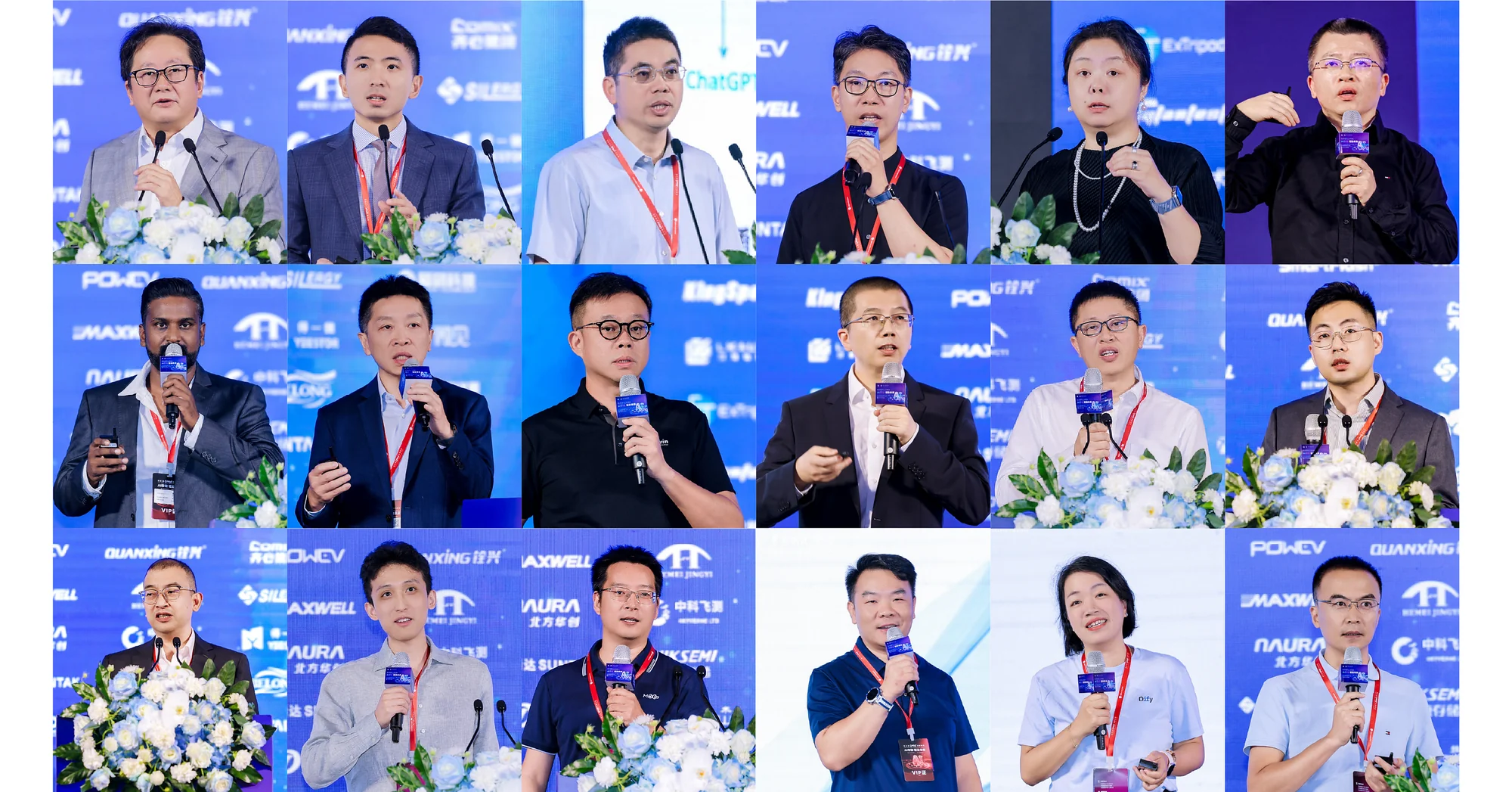
SHENZHEN, China, Sept. 26, 2026 /PRNewswire/ -- On September 23, the 5th GMIF2026 Innovation Summit successfully concluded at the Renaissance Shenzhen Bay Hotel. Co-hosted by the Shenzhen Memory Industry Association (SMIA) and School of Integrated Circuits at Peking University, the summit, themed "The Future Built on AI Memory and Storage," has brought together industry forces from IDMs, controllers, and memory solution providers to OSATs, equipment and material suppliers, server and AI infrastructure vendors, automotive electronics companies, AI applications developers, academic institutions, and investors. In-depth discussions explored the evolution of memory and storage technologies, industry trends, and application innovations in the AI era.

As AI training and inference workloads continue to scale, the boundaries of memory and storage technology and its applications keep expanding — from storage media and controllers to system architecture and AI applications themselves. GMIF 2026 approached the industry through the lens of the token economy, spotlighting inference efficiency, enterprise-grade storage, cloud-edge-device coordination, industrial capital, and the shifting global competitive landscape.

Five Years of GMIF: A Platform Built Around the Memory & Storage Industry

The summit officially kicked off with an opening remarks from Rixin Sun, President of the Shenzhen Memory Industry Association (SMIA). He looked back on GMIF's growth since its founding in 2019. Now in its fifth consecutive year, the summit has steadily expanded in scale, industry reach, and influence, with its agenda consistently tracking the pulse of the storage sector.

President Sun said GMIF will continue to pursue a more specialized and differentiated approach going forward — staying close to frontier industry trends and supply-chain coordination, while connecting storage companies with adjacent players in AI compute and end-user applications to drive technical exchange, supply-demand matching, and ecosystem collaboration.

As AI Inference Accelerates, Memory & Storage's Value Climbs

Daniel Yen, Executive Director at Morgan Stanley, opened the technical discussion with a look at how generative and agentic AI are reshaping infrastructure demands. As model weight loading, KV cache management, and data read/write scheduling grow more complex, Daniel noted that AI capital expenditure keeps rising — and memory and storage's share of that investment, and its strategic value, are rising with it. He pointed to the "memory wall" as a defining challenge now driving fresh innovation in storage architecture, advanced packaging, and related technologies.

Yimao Cai, Dean of School of Integrated Circuits at Peking University, addressed the topic from the angle of AI inference architecture, discussing the growing role of high-bandwidth storage and multi-media integration. As large model inference drives up demand for capacity, bandwidth, and cost efficiency, Prof. Cai suggested that high-bandwidth flash (HBF) and heterogeneous multi-media storage architectures stand to play a larger role — combining HBM, NAND, and RRAM to strike a better balance between performance, capacity, and cost for AI inference.

Global IDMs Race to Meet the Demands of Agentic AI

Kevin Yoon, CVP & CTO of Samsung Memory China at Samsung Electronics, discussed memory architecture in the age of agentic AI. As agentic AI drives token generation and KV cache volumes to new heights, AI systems are placing greater demands on capacity, bandwidth, and energy efficiency. He outlined Samsung's progress on Z-NAND, PCIe Gen6 SSDs, and ultra-high-capacity data center SSDs, and discussed how tiering across different storage media can more efficiently support KV cache and model weight storage.

Maya Zhang, Senior Director of Product Marketing at Sandisk, focused on data storage needs in the age of AI inference. As multimodal models, long-context processing, and increasingly sophisticated agents continue to grow KV cache demands, she noted, NAND flash is becoming ever more central to AI infrastructure. She added that more flexible data tiering and reuse across SSDs can improve efficiency for different AI workloads, and that high-density technologies like QLC are set to see broader adoption in AI use cases.

Benny Ni, GAR Sales VP at Solidigm, addressed enterprise SSDs' role in AI infrastructure amid growing data volumes and operational demands. As model size, token counts, and inference complexity all continue to climb, he said, memory offloading and data tiering are becoming core components of AI system architecture — with high-capacity QLC SSDs paired with high-performance storage offering a more efficient, cost-effective data foundation for inference.

Cloud, Edge, and Device: AI Opens New Ground for Memory & Storage

John Xavier Lionel, Head of Global Storage Business at Arm, spoke on system-level coordination in AI inference, noting that inference spans compute, memory, storage, and data movement — all of which require holistic architectural optimization. As small models, quantization, and heterogeneous NPUs continue to advance, he said, AI deployment will increasingly span cloud, edge, and device, with local storage taking on a larger role in hosting model weights, knowledge bases, and application data.

Stanley Huang, AVP at Silicon Motion, focused on storage requirements in multi-agent, concurrent-use scenarios, where differing tasks demand tailored QoS, latency, and resource allocation. He described how Silicon Motion's controller and resource-scheduling technologies improve storage efficiency under complex workloads, spanning enterprise SSDs, server storage, mobile UFS, autonomous driving, and robotics applications.

Sam Sun, Chairman at BIWIN, discussed how AI is simultaneously driving storage demand across data centers, edge, and endpoint devices — each with distinct requirements. In data centers, he noted, AI training and inference are pushing up demand for enterprise SSDs and server memory; at the edge and endpoint, applications like AI/AR glasses, AI PCs, smart vehicles, and industrial equipment are pushing storage toward smaller form factors, lower power consumption, higher reliability, and tighter system integration. Sam Sun said BIWIN continues to leverage its integrated solutions and manufacturing capability across enterprise, embedded, PC and mobile, industrial, and automotive product lines — with innovations like Mini SSDs, ultra-compact embedded storage, and wide-temperature industrial SSDs opening new ground in the AI era.

From Compute Infrastructure to Token Production, Deeper System-Level Integration

Tao Zhou, General Manager of the Server Division at Lenovo ISG China, discussed the concept of the "token factory." As enterprise AI moves from proof-of-concept to large-scale deployment, he said, improving the efficiency of AI infrastructure and sustaining stable token output have become critical industry priorities. He also described how top-level design, data governance, compute optimization, and security management — combined with pooled training/inference resources and hardware-software coordination — are helping enterprise AI infrastructure evolve from simple compute buildout into systematic operations.

Fan Zhang, Chief Computing Architect at NEXWISE, discussed integrated management and scheduling across cloud, compute, and storage resources from an operations standpoint, showing how coordination across compute, storage, and software platforms can improve overall infrastructure efficiency.

Wei Xiong, CTO of Infplane, focused on storage tiering in large model inference, explaining how hot/cold data tiering and intelligent scheduling can shift more inference workload onto SSDs — reducing memory footprint and improving token output efficiency.

Across servers, AI computing centers, and storage systems, deeper coordination among compute, memory, storage, networking, and software scheduling is emerging as a defining trend in AI infrastructure.

From Core Technology to Real-World Application, AI Memory & Storage Ecosystem is Converging Fast

As AI continues to move into automotive, robotics, and enterprise applications, the connection between the storage industry and AI use cases keeps deepening.

Junjia Chen, AI Product Director at SYNCORE, discussed the application of agent architecture in automotive scenarios, focused on smart cockpits and vehicle-wide intelligence.

Lusha Chen, General Manager for APAC at Dify, introduced a "workflow plus agent" model for enterprise AI, connecting large models, corporate knowledge bases, business systems, and end-user applications to embed AI more deeply into enterprise workflows.

Gongjie Liu, Regional Director for Central & Southern China & General Manager of Branch Office at Paratera, discussed multi-model access, unified management, and enterprise AI services built around a MaaS platform.

Zhen Li, VP of Genstoraige, spoke to the concept of "storage-powered compute," covering data hosting, high-speed interconnects, and intelligent scheduling within AI systems.

Yunjie Ye, Chairman of Numbers Law, presented the company's work on next-generation mechanical storage architectures for large-capacity data storage.

Ming Zhao, General Manager of OKN Technology, addressed testing requirements for the AI era, describing how test equipment is evolving to support higher speeds, more complex scenarios, and real-world workload simulation for PCIe 6.0 SSDs, memory, and increasingly demanding AI applications — laying the groundwork for the development and large-scale deployment of next-generation storage products.
Class (B2B/B2C)
B2B
Ingest Status
Rewritten
Dedupe hash
prn_302890873
Press Eligible
Yes
Press Eligible Reason
Industry summit coverage focused on AI memory, storage technologies, infrastructure, and enterprise applications.
Source Name
AI Memory & Storage
Original Summary

<p>SHENZHEN, China, Sept. 26, 2026 /PRNewswire/ -- On September 23, the 5th GMIF2026 Innovation Summit successfully concluded at the Renaissance Shenzhen Bay Hotel. Co-hosted by the Shenzhen Memory Industry Association (SMIA) and School of Integrated Circuits at Peking University, the...</p>

Image URL
https://mmx.prnewswire.com/media/MS1996920/20260926103342EDT_image_1.jpg?id=OA2972320&p=facebook
Content Hash (SHA-256, erste 32 hex)
0920cf65e673977e83407108eef32c16
Leo Cancer Care Unveils Bold Plans to Improve How Children Experience Radiotherapy, Following World-First Treatments
Image File
Original HTML

BOSTON, Sept. 27, 2026 /PRNewswire/ -- Leo Cancer Care has announced plans to further invest in the treatment experience for children undergoing radiation therapy. Following the world's first pediatric treatments using an upright positioning and imaging platform, Marie®, the company has confirmed it has developed a dedicated pediatric program bringing together education, distraction and gamification.

First pediatric treatments

In June 2026, Stanford Medicine delivered the first treatments using the Mevion S250-FIT Proton Therapy System™, which integrates Leo Cancer Care's Marie® upright positioning and imaging solution and utilizes RaySearch Laboratories' RayStation® planning system.

These early treatments have shown not only that upright pediatric proton therapy is feasible, but that it can be applied across a wide pediatric age range, and that anesthesia remains available where it is the right clinical choice.

A more natural position for children

The company set out to develop a platform that would simplify the delivery of, and access to, radiation therapy by rethinking the conventional approach. Instead of moving the radiation beam around a patient lying down, their solution inverts this: The beam stays fixed while the patient, seated or semi-standing, is rotated to treatment positions in front of it.

An upright position also encourages more active participation. When children can sit or stand, it is easier for them to play an active role in their treatment, which may help reduce fear and foster a sense of control.

Unlocking imaginations to design a new experience

The foundation of the new experience is underpinned by the premise that a chair can become, in a child's imagination, the seat of a rocket ship blasting off into space, or the driver's seat of a racing car at the Grand Prix.

This insight has been carried through into a dedicated program for children. It includes an augmented-reality education platform that lets a child explore the upright treatment room on a phone or tablet before their first visit, guided by Leo the Lion, who also appears as a soft toy from the first oncology appointment and in Toby's Magic Chair, a storybook following a young boy through upright treatment.

Leo Cancer Care has also licensed a Stanford Medicine system called AVATAR: a radiolucent screen positioned in the child's line of sight in the treatment room, designed to offer immersive distraction during treatment and reduce the need for anesthesia.

New research efforts and clinician guidance

A new report, Upright positioning in pediatric radiotherapy: rationale, safety considerations and a research roadmap, has been published in Technical Innovations & Patient Support in Radiation Oncology. It is the work of the Upright Radiotherapy Pediatric Task Group, an international, multiprofessional group spanning radiation oncology, medical physics, radiation therapy, pediatric anesthesia and industry, including Leo Cancer Care.

The report finds that upright positioning may reduce distress for selected children, while noting that pediatric-specific evidence remains limited. It outlines a research roadmap for upright radiotherapy in pediatric oncology and highlights the importance of standardized, safety-led workflows for children.

Challenging the conventions to deliver a more human way

Pediatric patients are the leading clinical application for proton therapy, and the children with the clearest indication have historically had the least access to it.

Leo Cancer Care's aim is to make radiation therapy fit the patient rather than the other way around. Their upright platform opens access to the children who need protons most, and changes what the room asks of them once they are in it. It is a true nod to their vision of delivering radiation therapy in a more human way.

At the American Society for Radiation Oncology (ASTRO) 2026 Annual Meeting in Boston, Leo Cancer Care is sharing its clinical progress and vision for the future at booth 519.

SOURCE Leo Cancer Care

Share this article

Class (B2B/B2C)
B2B
Ingest Status
Rewritten
Dedupe hash
prn_302890855
Press Eligible
Yes
Press Eligible Reason
Healthcare technology company announces pediatric radiotherapy platform, clinical progress, and research initiatives.
Source Name
Unknown Company
Original Summary

<p>BOSTON, Sept. 27, 2026 /PRNewswire/ -- Leo Cancer Care has announced plans to further invest in the treatment experience for children undergoing radiation therapy. Following the world's first pediatric treatments using an upright positioning and imaging platform, Marie®, the company has...</p>

Image URL
https://mmx.prnewswire.com/media/MS1698370/Leo-Cancer-Care-Logo.jpg?id=OA2972491&p=facebook
Content Hash (SHA-256, erste 32 hex)
09909db68945149cdbd7479b9ba89c64
Employment Law Attorneys, at Blumenthal Nordrehaug Bhowmik De Blouw LLP, Filed a Lawsuit Against Synagro Technologies, Inc., for Alleged Failure to Reimburse Employees' Business Expenses
Image File
Original HTML

Synagro Technologies, Inc., a provider of sustainable solution for biosolids company, allegedly failed to reimburse employees for their business expenses incurred while performing the job as instructed by Defendant. This resulted in inaccurate wage statements amongst other allegations.

**THIS IS AN ATTORNEY ADVERTISEMENT**

RIVERSIDE, Calif., Sept. 27, 2026 /PRNewswire/ -- The Los Angeles employment law attorneys, at Blumenthal Nordrehaug Bhowmik De Blouw LLP, filed a class action complaint alleging that Synagro Technologies, Inc, violated the California Labor Code. The Synagro Technologies, Inc, class action lawsuit, Case No. CVRI260588, is currently pending in the Riverside County Superior Court of the State of California. A copy of the Complaint can be read here.

According to the lawsuit filed, Synagro Technologies, Inc., allegedly (a) failed to pay minimum wages, (b) failed to pay overtime wages, (c) failed to provide legally required meal and rest periods, (d) failed to provide accurate itemized wage statements, (e) failed to reimburse for required expenses, (f) failed to pay sick wages, and (g) failed to provide wages when due, all in violation of the applicable Labor Code sections listed in California Labor Code Sections 201-203, 226, 226.7, 233, 246, 510, 512, 1194, 1197, 1197.1, 2802, and the applicable Wage Order(s), and thereby gives rise to civil penalties as a result of such alleged conduct.

The Complaint further alleges Plaintiff was required by Defendant to use their personal cellular phones. As a result, in the course of their employment with Defendant incurred unreimbursed business expenses which included, but were not limited to, costs related to the use of their personal cellular phones all on behalf of and for the benefit of Defendant. Under California Labor Code Section 2802, employers are required to indemnify employees for all expenses incurred in the course and scope of their employment .

For more information about the class action lawsuit against Synagro Technologies, Inc., call (800) 568-8020 to speak to an experienced California employment attorney today.

Blumenthal Nordrehaug Bhowmik De Blouw LLP is an employment law firm with offices located in San Diego, San Francisco, Sacramento, Los Angeles, Riverside and Chicago that dedicates its practice to helping employees, investors and consumers fight back against unfair business practices, including violations of the California Labor Code and Fair Labor Standards Act. If you need help in collecting unpaid overtime wages, unpaid commissions, being wrongfully terminated from work, and other employment law claims, contact one of their attorneys today.

**THIS IS AN ATTORNEY ADVERTISEMENT**

Media Contact

Nicholas De Blouw

Blumenthal Nordrehaug Bhowmik De Blouw LLP

(800) 568-8020

[email protected]

https://www.bamlawca.com/ 

SOURCE Blumenthal Nordrehaug Bhowmik De Blouw LLP

Share this article

Class (B2B/B2C)
Ignore
Ingest Status
Need Review
Dedupe hash
prn_302884318
Press Eligible
No
Press Eligible Reason
Irrelevant (need review): Law firm advertisement announcing a class action lawsuit against Synagro Technologies.
Source Name
Unknown Company
Original Summary

<p>Synagro Technologies, Inc., a provider of sustainable solution for biosolids company, allegedly failed to reimburse employees for their business expenses incurred while performing the job as instructed by Defendant. This resulted in inaccurate wage statements amongst other allegations....</p>

Image URL
https://mmx.prnewswire.com/media/MS1134179/Blumenthal-Nordrehaug-Bhowmik-De-Blouw-LLP-Logo.jpg?id=OA2958578&p=facebook
Content Hash (SHA-256, erste 32 hex)
a80c3c8a7db87351bde8da3195290f7f
Labor Law Attorneys, at Blumenthal Nordrehaug Bhowmik De Blouw LLP, File Suit Against Salveo Home Care, for Alleged Failure to Pay Employees' Full Wages
Image File
Original HTML

A provider of home care services, Salveo Home Care, allegedly failed to provide employees with required meal and rest breaks. This resulted in an alleged loss of wages for the employees affected.

SACRAMENTO, Calif., Sept. 27, 2026 /PRNewswire/ -- The Sacramento employment law attorneys, at Blumenthal Nordrehaug Bhowmik De Blouw LLP, filed a class action complaint alleging that Salveo Home Care violated the California Labor Code. The Salveo Home Care class action lawsuit, Case No. 26CV019602, is currently pending in the Sacramento County Superior Court of the State of California. A copy of the Complaint can be read here.

According to the lawsuit filed, Salveo Home Care, allegedly (a) failed to pay minimum wages, (b) failed to pay overtime wages, (c) failed to provide legally required meal and rest periods, (d) failed to provide accurate itemized wage statements, (e) failed to reimburse for required expenses, (f) failed to pay sick wages, and (g) failed to provide wages when due, all in violation of the applicable Labor Code sections listed in California Labor Code Sections 201-203, 226, 226.7, 233, 246, 510, 512, 1194, 1197, 1197.1, 2802, and the applicable Wage Order(s), and thereby gives rise to civil penalties as a result of such alleged conduct.

The Complaint further alleges Salveo Home Care failed to provide employees with legally required meals and rest breaks. Specifically, employees were allegedly required from time to time to work in excess of four (4) hours without being provided ten (10) minute rest periods. The applicable California Wage Order requires employers to provide employees with off-duty rest periods, which the California Supreme Court defined as time during which an employee is relieved from all work related duties and free from employer control.

For more information about the class action lawsuit against Salveo Home Care, call (800) 568-8020 to speak to an experienced California employment attorney today.

Blumenthal Nordrehaug Bhowmik De Blouw LLP is an employment law firm with offices located in San Diego, San Francisco, Sacramento, Los Angeles, Riverside and Chicago that dedicates its practice to helping employees, investors and consumers fight back against unfair business practices, including violations of the California Labor Code and Fair Labor Standards Act. If you need help in collecting unpaid overtime wages, unpaid commissions, being wrongfully terminated from work, and other employment law claims, contact one of their attorneys today.

**THIS IS AN ATTORNEY ADVERTISEMENT**

Media Contact

Nicholas De Blouw

Blumenthal Nordrehaug Bhowmik De Blouw LLP

(800) 568-8020

[email protected]

https://www.bamlawca.com/ 

SOURCE Blumenthal Nordrehaug Bhowmik De Blouw LLP

Share this article

Class (B2B/B2C)
Ignore
Ingest Status
Need Review
Dedupe hash
prn_302882872
Press Eligible
No
Press Eligible Reason
Irrelevant (need review): Law firm PR announcing a class action lawsuit and soliciting employees for legal services.
Source Name
Unknown Company
Original Summary

<p>A provider of home care services, Salveo Home Care, allegedly failed to provide employees with required meal and rest breaks. This resulted in an alleged loss of wages for the employees affected. SACRAMENTO, Calif., Sept. 27, 2026 /PRNewswire/ -- The Sacramento employment law attorneys,...</p>

Image URL
https://mmx.prnewswire.com/media/MS1134179/Blumenthal-Nordrehaug-Bhowmik-De-Blouw-LLP-Logo.jpg?id=OA2956488&p=facebook
Content Hash (SHA-256, erste 32 hex)
c7eb5963fc78b693e11cc1779be699ea
Leo Cancer Care Brings Into Clinical Use an Upright Radiotherapy Platform Cleared for Use With Any Radiation Beam
Image File
Original HTML

Upright. From Concept to Clinical Reality

BOSTON, Sept. 27, 2026 /PRNewswire/ -- Leo Cancer Care is marking a defining moment for radiation oncology as upright radiotherapy moves from concept to clinical reality.

The Upright Platform is designed to be beam-agnostic and cleared for integration with both particle- and photon-compatible fixed-beam technologies, offering health networks unprecedented choice rather than being restricted to one beam manufacturer or treatment configuration.

A Flexible, Now Clinically Available Platform Built for the Future

Following the first clinical treatment using Leo Cancer Care's Marie® upright patient positioning and imaging system in June 2026, patients can now receive radiotherapy in an upright position. Enabled by a partnership with Mevion Medical System, utilising their compact, fixed-beam proton accelerator and powered by RayStation®, the treatment planning system from RaySearch Laboratories.

While this represents an important clinical milestone, the potential of Leo Cancer Care's upright technology extends beyond one installation or treatment configuration. Its flexible platform creates opportunities for clinicians and technology partners to explore compliant IGRT system combinations around the needs of their patients, infrastructure and services.

Expanding Access to Upright Photon Radiotherapy

While Leo Cancer Care's initial product offering, the Marie® solution, is 510(k) cleared and CE marked to be integrated with any fixed beam, including conventional photon therapy, the company revealed development of a dedicated fixed-beam photon platform of its own (subject to regulatory clearance), at ASTRO 2025. This platform would integrate upright patient positioning, imaging and a fixed photon beam. Treating with photons in the upright position has the potential to offer greater patient choice while enabling more compact radiotherapy solutions that could help expand access to high-quality cancer care.

This next future innovation represents an important step towards bringing upright positioning and imaging into conventional radiotherapy and changing how photon treatment services are designed and delivered. This new method is already being utilized in new proton therapy installations where health networks are adopting a treatment delivery solution that was not so long ago widely questioned.

One Upright Environment. One Consistent Workflow. A Single Source of Truth.

Leo Cancer Care has taken a fundamentally different approach to radiotherapy. The radiation beam remains fixed while the patient is positioned upright and slowly rotated to multiple beam angles, enabling radiation to be delivered around the target area to deliver their personalised treatment plan.

At the heart of the solution is the upright platform, connecting fan beam imaging, planning, positioning and treatment delivery around a single patient position. Because the patient is imaged in the position they are treated in, every stage of the pathway works from the same geometry, giving the clinical team one reference point to plan and verify against.

For patients, upright radiotherapy provides a treatment experience centred around a more natural position, with eye-to-eye interaction with the clinical team. It may be particularly valuable for people who find it difficult or uncomfortable to lie flat because of breathing difficulties, pain, mobility challenges or anxiety.

International research also suggests that upright positioning may support more consistent anatomical positioning and reduce organ motion for certain treatment sites. These potential benefits will continue to be investigated as more upright systems enter research and clinical use.

From Innovation to Adoption

Stephen Towe, Co-Founder and CEO of Leo Cancer Care said: "The first clinical treatment using our technology proved that upright radiotherapy is no longer simply an idea for the future. It is now a clinical reality. This milestone is only the beginning. By connecting imaging, planning, positioning and treatment delivery in the upright position, we can create a single source of truth throughout the patient's treatment journey. Our beam-agnostic approach gives us the flexibility to work with different compatible fixed-beam technologies, helping reduce the infrastructure traditionally associated with advanced radiotherapy and supporting our ambition to expand access to high-quality cancer care."

At the American Society for Radiation Oncology's 2026 Annual Meeting in Boston, Leo Cancer Care will share its clinical progress and vision for the future.

The next phase will focus on building clinical evidence, supporting further installations and collaborating with healthcare and technology partners to make advanced treatment more human and accessible.

Natural anatomy. New possibilities. Think Upright.

SOURCE Leo Cancer Care

Share this article

Class (B2B/B2C)
B2B
Ingest Status
Need Review
Dedupe hash
prn_302890849
Press Eligible
Yes
Press Eligible Reason
QA FAIL (need review): TARGET contains factual claims not in SOURCE: it describes the milestone as a shift to 'routine clinical use' (SOURCE only says first treatment, making upright radiotherapy a 'clinical reality'), and it claims the system 'aims to reduce setup errors' (SOURCE mentions a shared geometry/reference point but never mentions setup errors).
Source Name
Unknown Company
Original Summary

<p>Upright. From Concept to Clinical Reality BOSTON, Sept. 27, 2026 /PRNewswire/ -- Leo Cancer Care is marking a defining moment for radiation oncology as upright radiotherapy moves from concept to clinical reality. The Upright Platform is designed to be beam-agnostic and cleared for...</p>

Image URL
https://mmx.prnewswire.com/media/MS1698370/Leo-Cancer-Care-Logo.jpg?id=OA2972484&p=facebook
Generated Article_json
{"target_audience": "b2b", "is_medical": true, "ai_generated_title": "Leo Cancer Care Completes First Clinical Upright Radiotherapy Treatment", "body_html": "<p><strong>Boston – [CURRENT_DATE] --</strong> Leo Cancer Care has completed the first clinical treatment using its Marie upright patient positioning and imaging system, marking the shift of upright radiotherapy from concept to routine clinical use.</p><h5>First patient treated upright in June 2026 using proton therapy</h5><p>The milestone treatment, delivered in June 2026, combined Leo Cancer Care's Marie system with Mevion Medical Systems' compact fixed-beam proton accelerator and RayStation, the treatment planning software from RaySearch Laboratories. The Marie platform is 510(k) cleared and CE marked for integration with any fixed-beam technology, including conventional photon therapy.</p><h5>Beam-agnostic design lets health networks avoid single-vendor lock-in</h5><p>Rather than tying hospitals to one beam manufacturer, the Upright Platform is built to interoperate with both particle- and photon-compatible fixed-beam systems. The company positions this flexibility as a way to cut the infrastructure typically required for advanced radiotherapy while widening the pool of compatible technology partners.</p><h5>Dedicated photon platform in development following ASTRO 2025 announcement</h5><p>Leo Cancer Care confirmed at ASTRO 2025 that it is developing its own fixed-beam photon platform, integrating upright positioning, imaging and a photon beam into a single system, subject to future regulatory clearance. The company argues upright photon delivery could enable more compact treatment rooms and expand access to high-quality cancer care in networks unable to support larger fixed-beam installations.</p><h5>Single imaging position aims to reduce setup errors across the treatment pathway</h5><p>The system keeps the radiation beam stationary while rotating the patient upright through multiple beam angles. Because imaging and treatment occur in the same position, clinical teams work from one consistent geometric reference point for planning and verification, rather than reconciling data captured in different postures.</p><p>International research cited by the company suggests upright positioning may improve anatomical consistency and reduce organ motion for certain treatment sites, an area it says will require further clinical investigation as more systems enter use.</p><h5>CEO says beam-agnostic approach reduces infrastructure burden on providers</h5><p>Stephen Towe, Co-Founder and CEO of Leo Cancer Care, said the first clinical treatment proved upright radiotherapy is now a clinical reality rather than a future concept, and that the company's flexibility to work across compatible fixed-beam technologies supports its ambition to expand access to advanced cancer care.</p><p>Leo Cancer Care is presenting its clinical progress at the American Society for Radiation Oncology's 2026 Annual Meeting in Boston, with its next phase focused on building clinical evidence, supporting additional installations, and working with healthcare and technology partners on further deployments.</p>", "meta_description": "Leo Cancer Care completes first clinical upright radiotherapy treatment with Mevion and RaySearch, advancing a beam-agnostic platform toward wider hospital adoption.", "seo_keywords": "upright radiotherapy, Leo Cancer Care, Marie system, Mevion Medical Systems, RaySearch Laboratories, proton therapy, ASTRO 2026, radiation oncology", "companies": ["Leo Cancer Care", "Mevion Medical Systems", "RaySearch Laboratories"], "industries": ["Healthcare & Biotech"], "markets_regions": ["North America", "United States"], "news_type": ["product_launch", "regulatory_update"], "products": ["Upright Platform"], "themes": ["medical_technology", "clinical_innovation", "patient_care"], "events": ["ASTRO 2026 Annual Meeting"], "cta_text": "Details on Leo Cancer Care's upright radiotherapy platform and clinical roadmap are available from the company.", "learn_more": "", "fact_check": {"accuracy_score": 100, "legal_risk": "low", "corrections_made": [], "recommendation": "publish"}}
Content Hash (SHA-256, erste 32 hex)
ac62e550e7ad51d7fd4f3a8fe5f61a6e
Fuse Oncology to Showcase S!GNAL Workflow Experience at ASTRO 2026
Image File
Original HTML

Potential workflow illustrates how patient workflow coordination in GE HealthCare's Intelligent Radiation Therapy™ (iRT) software solution could connect to targeted charge review in S!GNAL

BOONE, N.C., Sept. 27, 2026 /PRNewswire/ -- Fuse Oncology today announced plans to showcase a potential workflow experience with GE HealthCare's Intelligent Radiation Therapy™ (iRT) software solution at the ASTRO 2026 Annual Meeting. The concept illustrates how iRT could launch S!GNAL, Fuse Oncology's charge capture solution, from the patient workflow using patient information. This could provide users a direct path from workflow coordination in iRT to targeted charge review in S!GNAL while preserving patient context and reducing manual handoffs between systems.

Radiation oncology teams often work across multiple systems that rarely connect, such as EMR, OIS, treatment planning, and billing systems. iRT is an AI-supported software solution for radiation therapy workflow management designed to connect tools, coordinate workflows, and reduce manual handoffs to help patients progress from diagnosis to treatment more efficiently. The potential experience with S!GNAL illustrates how that coordinated workflow could extend to targeted charge review, a capability planned for a future iRT release.

Charge capture in radiation oncology is a distributed problem. A missing IGRT image, an untagged physics consult, or an inconsistent weekly treatment management charge typically comes to light weeks after the service, once the clinical context has gone cold. Correcting it means revisiting old records, reconstructing physician intent, and coordinating between clinical and billing teams — and that is only for the errors that surface at all.

S!GNAL reviews charge data daily and flags missed or miscoded charges within 24 hours of service, rather than surfacing them in a retrospective audit weeks later. Its rule logic covers every category of radiation oncology code, including the ones that carry the most impact: missed treatment fractions, weekly physics, weekly treatment management, and dosimetry planning. S!GNAL evaluates planning charges against the discrete data in the treatment planning system rather than inferring them from a document's name or a predetermined template, then uses natural language processing to check those expectations against what the clinical documents say. In a multi-site organization S!GNAL is installed once and configured separately for each location, so a freestanding clinic and a hospital-based department are each reviewed against the rules that apply to them.

In a deployment across 15 sites of an 18-site radiation oncology network, S!GNAL surfaced $1,092,202 in missed treatment delivery and IGRT charges between July 2024 and March 2025, each identified within 24 hours of service. Charge lag fell by more than 30 days.

"Every clinic we talk to has the same problem, and almost none of them have the staff to solve it by auditing harder. The fix is to put the detection where the work already happens, in the system the team is already in. Every hour a billing or clinical team spends chasing last month is an hour not spent moving a patient toward treatment," said James Bauler, Chief Executive Officer, Fuse Oncology.

The potential workflow experience is planned to be shown during the ASTRO 2026 exhibit dates, September 27 to 29 in Boston. Fuse Oncology will be at booth 2533. The capability is currently being developed and evaluated for potential future commercial availability, with further details to be announced at a later date.

About Fuse Oncology

Fuse Oncology is a healthcare technology company focused on radiation oncology, delivering the operational layer for the clinical and administrative workflow. Fuse delivers SaaS solutions that break down healthcare workflow and data silos to create a seamless experience for clinicians. By placing the broader electronic medical record system at the center of the architecture, Fuse eliminates duplicative and inefficient efforts to enable a future where oncology care moves at the speed of patients. For more information, visit FuseOnc.com. Stay updated on our latest developments by following us on LinkedIn @fuseoncology.

SOURCE Fuse Oncology, Inc.

Share this article

Class (B2B/B2C)
B2B
Ingest Status
Rewritten
Dedupe hash
prn_302890548
Press Eligible
Yes
Press Eligible Reason
Healthcare technology company announcement about integrating radiation oncology workflow and charge capture software for clinical and billing professionals.
Source Name
Unknown Company
Original Summary

<p>Potential workflow illustrates how patient workflow coordination in GE HealthCare's Intelligent Radiation Therapy™ (iRT) software solution could connect to targeted charge review in S!GNAL BOONE, N.C., Sept. 27, 2026 /PRNewswire/ -- Fuse Oncology today announced plans to showcase a...</p>

Image URL
https://mmx.prnewswire.com/media/MS1405621/Fuse-Horizontal-Logo.jpg?id=OA2971791&p=facebook
Content Hash (SHA-256, erste 32 hex)
b27b551f392639f396ef88dcd08e2ea5
Best Prescription Sunglasses (2026): Quay Featured Among Stylish, Fashion-Forward RX Frames for Everyday Wear and Versatile Personal Style by Consumer365
Original HTML

Best Prescription Sunglasses (2026): Quay Featured Among Stylish, Fashion-Forward RX Frames for Everyday Wear and Versatile Personal Style by Consumer365

NEW YORK, Sept. 27, 2026 /PRNewswire/ -- Consumer365 has recognized Quay in a 2026 feature examining the best prescription sunglasses for everyday wear and versatile personal style. The coverage highlights prescription-ready fashion frames, varied lens options, and published prices relevant to shoppers seeking premium-looking eyewear within a defined budget.

Best Prescription Sunglasses:

- Quay - offers prescription-ready sunglasses with fashion-focused frames, customizable lens tints, and adjustable or built-in nose pads, combining premium-looking designs with everyday versatility and personal style.

The feature focuses on Quay's online prescription sunglasses collection. The range includes aviators, squares, rounds, and cat eyes, supported by filters for frame size and bridge fit. The selection allows different silhouettes to be considered alongside practical requirements for vision correction, comfort, and daily use.

Consumer365's assessment draws on published product specifications and ordering guidance. The coverage examines accessible luxury as a styling approach, with attention to frame proportions, finishes, and customization. The review also explains why the complete prescription configuration matters when evaluating price and suitability.

Prescription Frames With Distinct Design Details

The featured collection includes several interpretations of contemporary prescription eyewear. Three models illustrate how frame shape, construction, and bridge design create different styling options:

- GONE VIRAL RX: A small oval aviator combines metal construction with an integrated hinge and a clean temple design. The narrow-fit frame uses adjustable silicone nose pads and provides slightly smaller coverage.

- WIRED RX: An oversized unisex square features rounded corners, lightweight construction, and built-in nose pads. The softened outline gives the frame a relaxed profile for everyday styling.

- AURA POINTS RX: A narrow oval frame combines standard arms with built-in nose pads. Published measurements include a 141 mm frame width and a 35 mm lens height, creating a compact visual profile.

Each featured model includes a hard case and cleaning cloth. Together, the designs demonstrate how prescription-ready frames can vary in material, scale, bridge support, and overall silhouette.

Premium-Looking Eyewear and Budget Considerations

At the time of research, Quay's US product pages displayed AURA POINTS RX at $75, WIRED RX at $85, and GONE VIRAL RX at $175. The figures provide reference points for browsing. The displayed amounts should not be treated as guaranteed totals for every prescription configuration.

Lens material and selected options can affect the completed purchase. A meaningful budget assessment therefore considers the full frame-and-lens configuration. Comparing models at the same prescription settings provides a clearer basis for evaluating value.

The different displayed prices show that Quay's prescription collection covers more than one price level. AURA POINTS RX and WIRED RX provide lower starting points, while GONE VIRAL RX sits at a higher listed price. Selection can therefore depend on silhouette, frame material, bridge fit, and preferred finish, subject to the final lens configuration.

The accessible-luxury angle centers on appearance rather than a claim of luxury-grade construction. Metallic accents, tortoise patterns, and considered proportions contribute to a polished look. Consumer365's feature separates those visual qualities from measurable considerations such as prescription compatibility and frame dimensions.

Lens Materials and Sun Tint Options

Quay's featured RX pages list single-vision polycarbonate, 1.67 high-index, and 1.74 ultra-high-index lens options. Published specifications identify anti-reflective coating, scratch resistance, and 100% UVA/UVB protection across the listed choices. Blue light filtering is also available as an optional add-on. Availability should be confirmed for the selected frame and prescription.

Sunglass tint options include Black Fade, Brown Gradient, Smoke Solid, Green, and Navy. Light Blue, Pink, and Purple provide further color choices. Lens tint can change the appearance of a frame without changing the underlying silhouette.

Quay notes that prescription lens colors may differ slightly from their nonprescription versions. Product photographs should be considered alongside the selected prescription tint before an order is completed.

Quay's prescription guidance identifies polarization as an available sunglass option for polycarbonate and 1.67 high-index lenses. Tint selection and polarization should be reviewed separately during configuration, rather than assumed to be interchangeable features.

Prescription strength can influence the finished appearance, but Quay's prescription lenses use an aspherical design that helps keep them on the thinner side. Frame size and lens material can still affect the final profile. Guidance from an optical professional can help assess lens material and frame proportions together, supporting a configuration that accommodates both the prescription and the intended style.

Fit and Prescription Requirements

Published measurements provide a practical starting point for comparing frames. WIRED RX lists a 144 mm frame width, an 18 mm bridge, and 148 mm temples. Comparing those dimensions with a comfortable existing pair can help narrow the selection.

Virtual try-on appears on the featured product pages. The tool supports visual comparisons but cannot establish physical comfort during extended wear. Quay's fitting guidance recommends matching frame width to face width and avoiding pressure around the nose, ears, and cheekbones.

Online purchases require an unexpired eyeglass prescription and pupillary distance. Contact lens prescriptions cannot be used to order prescription glasses. Pupillary distance helps position the lenses appropriately relative to the eyes.

Quay currently offers single-vision prescription glasses and sunglasses online. Progressive lenses are available through select stores and authorized dealers. The ordering route therefore depends on the required lens type, alongside the chosen frame and prescription details.

Ordering and Everyday Ownership

Quay advises allowing up to three weeks for completed prescription orders. Custom production can require up to two weeks before shipping confirmation. Planning around the prescription timeline is relevant when eyewear is needed for travel or another scheduled occasion.

Online prescription purchases are generally final sale. Limited remake provisions apply, including a complimentary lens remake when a doctor updates or revises a prescription. Requests must be made within 30 days of delivery and require supporting documentation.

Quay recommends cleaning lenses with a microfiber cloth and lens cleaner. Product guidance advises against using paper towels or clothing. The included case provides storage between wears.

Consumer365's recognition brings attention to Quay's combination of prescription-ready designs and configurable sun lenses. The feature encourages evaluation of appearance, fit, prescription requirements, and complete pricing together, providing a practical framework for selecting eyewear suited to everyday use.

The full review is available at the Consumer365 website.

About Quay

Quay is a global eyewear brand offering a wide selection of sunglasses and prescription glasses. The company's collections emphasize contemporary design, functional lens features, and pricing that remains accessible to a broad range of consumers. Quay products are available through its direct-to-consumer website, Quay stores and select retail partners worldwide.

About Consumer365.org: Consumer365 provides consumer news and industry insights. As an affiliate, Consumer365 may earn commissions from sales generated using links provided.

SOURCE Consumer365.org

Share this article

Class (B2B/B2C)
B2C
Ingest Status
Rewritten
Dedupe hash
prn_302890245
Press Eligible
Yes
Press Eligible Reason
Consumer product feature about Quay prescription sunglasses, pricing, lens options, fit, and ordering.
Source Name
Best Prescription Sunglasses (2026)
Original Summary

<p>NEW YORK, Sept. 27, 2026 /PRNewswire/ -- Consumer365 has recognized Quay in a 2026 feature examining the best prescription sunglasses for everyday wear and versatile personal style. The coverage highlights prescription-ready fashion frames, varied lens options, and published prices...</p>

Content Hash (SHA-256, erste 32 hex)
6dfc400e50cce65cd08a3c6db237a2aa
2026 IMS | IASO Bio Presented First-in-Human Data of BCMA-Targeted In Vivo CAR-T Cell Therapy IASO206
Original HTML

2026 IMS | IASO Bio Presented First-in-Human Data of BCMA-Targeted In Vivo CAR-T Cell Therapy IASO206

— Late-breaking oral presentation of first-in-human data (LBA-11) showed that a single intravenous infusion of IASO206 generated functional BCMA CAR-T cells in vivo without lymphodepleting chemotherapy. The study demonstrated a 90% objective response rate and a 90% MRD negativity rate in a population in which 90% of patients had high-risk and 70% had ultra-high-risk cytogenetic features; both rates reached 100% in the high-dose cohort.

SHANGHAI, NANJING, China and PLEASANTON, Calif., Sept. 26, 2026 /PRNewswire/ -- IASO Biotechnology ("IASO Bio"), a commercial-stage biopharmaceutical company focused on the discovery, development, manufacturing, and commercialization of innovative cell therapies and biologics for hematologic malignancies and autoimmune diseases, announced today the presentation of first-in-human (FIH) Phase 1 clinical data for IASO206, its internally developed BCMA-targeted in vivo CAR-T cell therapy, in patients with relapsed/refractory multiple myeloma (R/R MM) at the 2026 International Myeloma Society (IMS) Annual Meeting.

IASO206 is designed to generate functional BCMA-directed CAR-T cells directly in patients following a single intravenous infusion, eliminating the need for ex vivo cell manufacturing and lymphodepleting chemotherapy. The results were presented by Dr. Wenqiang Yan of the Institute of Hematology & Blood Diseases Hospital, Chinese Academy of Medical Sciences, during a late-breaking oral session at the IMS Annual Meeting[1] (Abstract No. LBA-11).

Patient Baseline and Study Design

This investigator-initiated trial (IIT) enrolled patients with R/R MM who had received at least two prior lines of therapy and had relapsed or refractory disease following treatment with proteasome inhibitors, immunomodulatory agents, and/or anti-CD38 antibodies.

As of September 26, 2026, a total of 10 patients had received IASO206. Patients had received a median of three prior lines of therapy (range, 2–8); 70% were triple-class exposed, 90% had high-risk cytogenetic abnormalities, and 70% had ultra-high-risk cytogenetic features.

Three dose levels were evaluated, expressed in transducing units (TU): 1×10⁸, 3×10⁸, and 9×10⁸ TU.

Robust In Vivo Expansion and Deep Clinical Responses

Pharmacokinetic analyses demonstrated robust expansion of CAR-positive cells in the absence of lymphodepleting chemotherapy. Peak vector copy number (VCN) occurred between Days 12 and 21 and most remained detectable beyond 60 days and up to six months after treatment.

Among the 10 efficacy-evaluable patients, the objective response rate (ORR) was 90% (9/10), including three stringent complete responses (sCRs). The minimal residual disease (MRD) negativity rate was 90%. One patient in the low-dose cohort who did not achieve MRD negativity still benefit with a very good partial response (VGPR). In the high-dose cohort, both the ORR and MRD negativity rate reached 100%. Follow-up remains limited, and responses in several patients continued to deepen over time.

Manageable Safety Profile

IASO206 demonstrated an overall manageable safety profile. No dose-limiting toxicities (DLTs), immune effector cell-associated neurotoxicity syndrome (ICANS), or treatment-related deaths were reported.

Infusion-related reactions were mild and consisted primarily of fever, chills, or rigors. All resolved on the day of infusion with standard supportive care.

Two patients experienced no CRS, seven patients experienced Grade 1 CRS, and one patient experienced Grade 2 CRS. The median duration of CRS was 2.5 days (range, 1–3 days).

Most Grade ≥3 hematologic toxicities were recovered within a relatively short period following treatment. Two patients experienced Grade ≥3 viral infections due to hypogammaglobulinemia, both of whom recovered following IVIG treatment.

Conclusion

The first-in-human data from IASO206 demonstrated that a single intravenous administration, without lymphodepleting chemotherapy, could generate functional BCMA-directed CAR-T cells in vivo. IASO206 showed encouraging anti-myeloma activity together with an overall manageable safety profile, supporting its continued clinical development and further evaluation of the optimal dose.

Professor Gang An

Institute of Hematology & Blood Diseases Hospital, Chinese Academy of Medical Sciences

"Patients with relapsed/refractory multiple myeloma who have failed multiple lines of therapy, particularly those with triple-class exposure and high-risk disease, continue to face a poor prognosis and substantial unmet medical need.

"As an in vivo CAR-T cell therapy, IASO206 is administered as a single intravenous infusion without the need for apheresis or lymphodepleting chemotherapy. In this first-in-human study, IASO206 achieved a 90% objective response rate and a 90% MRD negativity rate, with both rates reaching 100% in the high-dose cohort.

"Notably, this was a particularly high-risk patient population: 90% had high-risk and 70% had ultra-high-risk cytogenetic features. Some patients also had adverse biological characteristics, including concurrent loss of TP53 and RB1 or low BCMA expression, which are associated with aggressive disease and poor prognosis. Despite these challenging baseline characteristics, meaningful clinical benefit was observed across the study population, providing encouraging preliminary evidence of the therapeutic potential of IASO206. With continued follow-up, we look forward to further characterizing the depth and durability of response."

Yongke Zhang, MD, PhD

Chief Scientific Officer and Senior Vice President, IASO Bio

"The selection of IASO206's first-in-human data for a late-breaking oral presentation at this year's IMS Annual Meeting represents another important milestone in the clinical translation of InTelliCAR™, IASO Bio's proprietary in vivo CAR-T platform, following U.S. Food and Drug Administration clearance of the Investigational New Drug application for IASO208.

"The first-in-human study of IASO206 has provided encouraging preliminary evidence that deep antitumor responses can be achieved with an overall manageable safety profile, even in a heavily pretreated R/R MM population enriched for high-risk and ultra-high-risk cytogenetic abnormality. These findings provide an important foundation for further characterizing the dose–response and dose–safety relationships and for determining the recommended Phase 2 dose (RP2D).

"IASO Bio has established a broad portfolio of investigational therapies based on the InTelliCAR™ platform. We will continue to advance the clinical development of IASO206, IASO208, and subsequent pipeline candidates while exploring their potential across additional disease settings. By combining the potential for efficacy with manageable toxicity and reduced treatment complexity, in vivo CAR-T therapy may ultimately enable CAR-T treatment to move beyond later-line settings and be evaluated earlier in the treatment paradigm, including potentially in first-line disease."

SOURCE IASO Bio

Share this article

Class (B2B/B2C)
B2B
Ingest Status
Rewritten
Dedupe hash
prn_302890813
Press Eligible
Yes
Press Eligible Reason
Biopharmaceutical company reports first-in-human clinical data for an in vivo CAR-T therapy in multiple myeloma.
Source Name
Unknown Company
Original Summary

<p>— Late-breaking oral presentation of first-in-human data (LBA-11) showed that a single intravenous infusion of IASO206 generated functional BCMA CAR-T cells in vivo without lymphodepleting chemotherapy. The study demonstrated a 90% objective response rate and a 90% MRD negativity rate in...</p>

Content Hash (SHA-256, erste 32 hex)
2a322cd684eb2a7c146c646e343a40db
2026 IMS | IASO Bio Presented FUCASO China Real-World Data
Original HTML

2026 IMS | IASO Bio Presented FUCASO China Real-World Data

--- In a large China real-world study of 281 heavily pretreated, predominantly high-risk patients with relapsed/refractory plasma cell neoplasms, FUCASO achieved a 95.9% objective response rate, a 77.2% CR/sCR rate, and a 94.1% MRD negativity rate

--- with median PFS and OS not yet reached (12-month PFS 71.5%, OS 87.8%) and consistent benefit across high-risk subgroups, validating the efficacy of the pivotal registration study in real-world practice

SHANGHAI, NANJING, China, and PLEASANTON, Calif., Sept. 26, 2026 /PRNewswire/ -- IASO Biotechnology ("IASO Bio"), a commercial-stage biopharmaceutical company focused on the discovery, development, manufacturing, and commercialization of novel cell therapies and biologics for hematologic malignancies and autoimmune diseases, announced that results from a China real-world study (RWS) of its self-developed, world's first fully human BCMA-targeting CAR-T cell therapy product — FUCASO (equecabtagene autoleucel injection, Eque-cel) — for the treatment of relapsed/refractory plasma cell neoplasms were formally presented at the 2026 International Myeloma Society (IMS) Annual Meeting, and reported by Professor Jin Lu of Peking University People's Hospital as an oral presentation at the meeting (Abstract No.: OA-09).1

Real-World Patient Population: Heavily Pretreated, with Prominent High-Risk Features

This multicenter real-world study enrolled 281 patients with plasma cell neoplasms treated at multiple centers across China since the launch of FUCASO in June 2023.

Enrolled patients had a median age of 61 years (range 30–82 years; 18.7% ≥70 years) and a median of 4 prior lines of therapy, up to a maximum of 12 lines. 84.0% had received prior anti-CD38 therapy, 27.4% were penta-exposed, and 46.9% had previously undergone autologous stem cell transplantation (ASCT); meanwhile, 82.4% had any high-risk cytogenetic abnormality (HRCA), 50.5% were ISS stage III, 7.8% had plasma cell leukemia (PCL), and 47.0% had extramedullary disease (EMD) of varying degrees.

Deep and Durable Responses

Among the 267 efficacy-evaluable patients, FUCASO demonstrated a dual response profile. In terms of depth of response, the objective response rate (ORR) reached 95.9%, with a complete response (CR) or stringent complete response (sCR) rate of 77.2% (sCR rate 42.7%), a very good partial response or better (≥VGPR) rate of 86.9%, and 94.1% of patients achieved minimal residual disease (MRD) negativity. In terms of durability of response, at a median follow-up of 10.97 months, neither median progression-free survival (mPFS) nor median overall survival (mOS) had been reached; the 12-month PFS rate was 71.5% and the 12-month OS rate was 87.8%. Beyond deep and durable responses, these real-world data further corroborate the efficacy and safety demonstrated in the pivotal registration study.

Efficacy of the Pivotal Registration Study Validated in Real-World Practice

Across multiple high-risk subgroups, 12-month PFS rates were comparable to those of the overall cohort, with no additional increase observed in the incidence of grade ≥3 CRS or ICANS: in patients aged >70 years (n=35), the ORR was 94.3% and the 12-month PFS rate was 69.6%; in patients previously treated with anti-CD38 therapy, the ORR was 96.0% and the 12-month PFS rate was 68.5%; in CGS-defined high-risk patients (94/177), the ORR was 98.9% and the 12-month PFS rate was 65.1%.

Clear Real-World Safety Boundaries, with Risks Generally Manageable

The incidence of any-grade cytokine release syndrome (CRS) was 88.2%, of which only 3.8% was grade ≥3; the incidence of any-grade immune effector cell-associated neurotoxicity syndrome (ICANS) was 6.8%; no parkinsonism was observed.

In addition, the study further conducted a stratified analysis of patients at high risk per the CAR-HEMATOTOX (CAR-HT) score. The results showed that high-risk patients had a lower 12-month PFS rate than low-risk patients (60.3% vs 86.9%), as well as higher incidences of grade ≥3 CRS (6.5%) and ICANS (9.7%). These findings suggest that enhanced safety management and treatment support are warranted for high-risk patients in real-world settings.

Conclusion: Data from this China real-world study show that FUCASO delivers deep and durable responses together with a favorable safety profile in heavily pretreated, high-risk patients with relapsed/refractory plasma cell neoplasms, with consistent benefit across subgroups including elderly patients, those previously treated with anti-CD38 therapy, and those with high-risk cytogenetics — further validating, in real-world practice, efficacy and safety consistent with those of the pivotal registration study.

Professor Jin Lu

Peking University People's Hospital

"We are very pleased to present data from the China real-world study of FUCASO at this year's IMS Annual Meeting. Compared with the registration study population, real-world patients were generally higher-risk and more heavily pretreated, with a higher proportion presenting poor prognostic features such as extramedullary disease or plasma cell leukemia; nevertheless, FUCASO still achieved an objective response rate (ORR) of 95.9% and a complete response (CR) or stringent complete response (sCR) rate of 77.2%, with efficacy consistent with the overall cohort across the elderly, prior anti-CD38-treated, and high-risk cytogenetic subgroups. Median PFS has not yet been reached in this study, further confirming the deep and durable efficacy and broad applicability of FUCASO in real-world clinical practice."

SOURCE IASO Bio

Share this article

Class (B2B/B2C)
B2B
Ingest Status
Rewritten
Dedupe hash
prn_302890814
Press Eligible
Yes
Press Eligible Reason
Biopharmaceutical company reports clinical real-world data for its CAR-T therapy at an industry medical meeting.
Source Name
Unknown Company
Original Summary

<p>--- In a large China real-world study of 281 heavily pretreated, predominantly high-risk patients with relapsed/refractory plasma cell neoplasms, FUCASO achieved a 95.9% objective response rate, a 77.2% CR/sCR rate, and a 94.1% MRD negativity rate --- with median PFS and OS not yet...</p>

Content Hash (SHA-256, erste 32 hex)
b4b539ceff744a756b7288a3266674e0
MEDIMPACT DATA BREACH: Edelson Lechtzin LLP Launches Investigation Into Exposure of Social Security Numbers and Health Information
Image File
Original HTML

National class action firm Edelson Lechtzin LLP is offering free case evaluations to individuals affected by the MedImpact Healthcare Systems data breach, which may have exposed names, Social Security numbers, and sensitive health information.

SAN DIEGO, Sept. 26, 2026 /PRNewswire/ -- Edelson Lechtzin LLP, a national class action law firm, is investigating data privacy claims arising from the MedImpact Healthcare Systems, Inc. data breach. MedImpact is a privately held pharmacy benefit manager serving millions of members nationwide. The breach exposed sensitive personal and health information of current and former members of pharmacy benefit plans administered by MedImpact and/or Elixir Solutions.

Key Facts at a Glance

- Company: MedImpact Healthcare Systems, Inc. is one of the largest independent pharmacy benefit managers in the United States.

- When it happened: MedImpact identified unauthorized activity in its systems on October 18, 2025. It finalized its investigation on July 17, 2026.

- When disclosed: MedImpact notified affected clients on August 13, 2026, and began mailing notices to affected individuals on September 23, 2026.

- People affected: Not publicly disclosed. Impacted members include adults and minor dependents covered under affected benefit plans, including the Leggett & Platt, Inc. Employee Benefits Plan.

- Information exposed: Varied by individual and may include names, Social Security numbers, and sensitive health information (see below).

What Happened

MedImpact identified unauthorized activity within certain systems on October 18, 2025, secured the affected systems, and engaged cybersecurity experts to investigate. The Qilin ransomware group claimed responsibility on October 27, 2025, adding MedImpact to its dark web leak site and claiming it had stolen data, which it threatened to publish unless a ransom was paid.

What Information Was Exposed

The compromised data varied by individual and may include names, addresses, dates of birth, Social Security numbers, subscriber and insurance identification numbers, and health-related information such as prescriptions, treatment, dates of service, service locations, and provider names. Because Social Security numbers and protected health information are highly sensitive, affected individuals face a lasting risk of identity theft, medical fraud, insurance fraud, and targeted phishing.

Your Legal Options

Edelson Lechtzin LLP is investigating a potential class action to pursue legal remedies for individuals whose sensitive personal and health data may have been compromised. The firm is examining whether MedImpact implemented reasonable cybersecurity safeguards and whether additional measures could have prevented or reduced the breach's impact. The firm will evaluate your rights and potential claims at no cost.

Recommended Protective Steps

- Preserve your breach notification letter and enroll in any complimentary credit monitoring offered to you.

- Monitor your account statements, credit reports, and explanation-of-benefits statements for unauthorized activity.

- Consider placing a fraud alert or security freeze with Equifax, Experian, and TransUnion.

- Be cautious of phishing calls, texts, and emails referencing the breach.

Contact Us for a Free Case Evaluation

Speak confidentially with a data privacy attorney today: Marc Edelson, Esq., Edelson Lechtzin LLP, 411 S. State Street, Suite N-300, Newtown, PA 18940; Phone: 844-696-7492; Email: [email protected]; or click HERE to request a free consultation.

About Edelson Lechtzin LLP

Edelson Lechtzin LLP is a national class action law firm with offices in Pennsylvania and California. In addition to data breach litigation, the firm handles class and collective actions involving securities and investment fraud, federal antitrust violations, ERISA employee benefit plans, wage theft, and consumer fraud.

Legal Notice: This press release may be considered Attorney Advertising in some jurisdictions.

SOURCE Edelson Lechtzin LLP

Share this article

Class (B2B/B2C)
Ignore
Ingest Status
Need Review
Dedupe hash
prn_302890807
Press Eligible
No
Press Eligible Reason
Irrelevant (need review): Law firm investigation and class action solicitation concerning a data breach.
Source Name
MEDIMPACT DATA BREACH
Original Summary

<p>National class action firm Edelson Lechtzin LLP is offering free case evaluations to individuals affected by the MedImpact Healthcare Systems data breach, which may have exposed names, Social Security numbers, and sensitive health information. SAN DIEGO, Sept. 26, 2026 /PRNewswire/ --...</p>

Image URL
https://mmx.prnewswire.com/media/MS1803521/safe-image.jpg?id=OA2972386&p=facebook
Content Hash (SHA-256, erste 32 hex)
b714171f1f6e9580dd8a94a6da34a5fc