IT Tech Packaging, Inc. Announces NYSE Regulation Acceptance of Extension Request; Listing Continued Pursuant to Extension Through April 15, 2027
Original HTML

IT Tech Packaging, Inc. Announces NYSE Regulation Acceptance of Extension Request; Listing Continued Pursuant to Extension Through April 15, 2027

Company granted plan period through April 15, 2027 to complete delayed SEC periodic filings

BAODING, China, Oct. 9, 2026 /PRNewswire/ -- IT Tech Packaging, Inc. (NYSE American: ITP) ("ITP" or the "Company"), a leading manufacturer and distributor of diversified paper products in North China, today announced that it is not in compliance with the continued listing standards of NYSE American LLC ("NYSE American" or the "Exchange") and that its listing is being continued pursuant to an extension granted by NYSE Regulation. The targeted completion date of the plan period (the "New Cure Deadline") is April 15, 2027.

As previously disclosed, the Company is not in compliance with Sections 134 and 1101 of the NYSE American Company Guide (the "Company Guide") because it failed to timely file with the U.S. Securities and Exchange Commission (the "SEC") its Annual Report on Form 10-K for the year ended December 31, 2025 and its Quarterly Reports on Form 10-Q for the quarters ended March 31, 2026 and June 30, 2026 (collectively, the "Delayed Filings").

Pursuant to Section 1007 of the Company Guide, a company that is unable to cure a filing delinquency within the initial six-month period of the maximum 12-month cure period is required to submit an extension request. On October 1, 2026, the Company submitted an extension request to NYSE Regulation. On October 7, 2026, the Company received a letter from NYSE Regulation informing the Company that NYSE Regulation had reviewed and accepted the extension request and granted the Company a plan period through April 15, 2027 to complete the Delayed Filings and any subsequently delayed filings with the SEC.

NYSE Regulation staff will review the Company periodically for compliance with adherence to the milestones in the plan. If the Company does not make progress consistent with the plan during the plan period, or if the Company does not complete the Delayed Filings and any subsequently delayed filings with the SEC by the end of the maximum 12-month cure period on April 15, 2027, Exchange staff will initiate delisting proceedings as appropriate. The Company may appeal a staff delisting determination in accordance with Section 1010 and Part 12 of the Company Guide.

The Company's common stock will continue to be listed and traded on NYSE American during the plan period, subject to the Company's compliance with the plan and other applicable continued listing requirements, and will continue to bear a late filer (".LF") indicator until the filing delinquency is cured. The extension does not have any immediate effect on the listing or trading of the Company's common stock.

The Company is working diligently to complete the Delayed Filings and currently expects to file them on or before the New Cure Deadline; however, there can be no assurance that the Company will do so or that it will regain compliance with the NYSE American continued listing standards.

About IT Tech Packaging, Inc.

Founded in 1996, IT Tech Packaging, Inc. is a leading manufacturer and distributor of diversified paper products in North China. Using recycled paper as its primary raw material (with the exception of its tissue paper products), ITP produces and distributes three categories of paper products: corrugating medium paper, offset printing paper and tissue paper products. With production based in Baoding and Xingtai in North China's Hebei Province, ITP is located strategically close to the Beijing and Tianjin region, home to a growing base of industrial and manufacturing activities and one of the largest markets for paper products consumption in the country. ITP has been listed on the NYSE American since December 2009. For more information, please visit: www.itpackaging.cn.

Forward-Looking Statements

This press release contains "forward-looking statements" within the meaning of the Private Securities Litigation Reform Act of 1995, Section 27A of the Securities Act of 1933, as amended, and Section 21E of the Securities Exchange Act of 1934, as amended, including statements regarding the Company's ability and expected timing to complete the Delayed Filings and any subsequently delayed filings by April 15, 2027, to make progress consistent with its plan, to regain compliance with the NYSE American continued listing standards, and for the Company's common stock to remain listed on NYSE American. Words such as "may," "could," "should," "would," "will," "believe," "anticipate," "estimate," "expect," "intend," "plan," "target," "goal," and similar expressions are intended to identify forward-looking statements. These statements are subject to significant risks and uncertainties, many of which are beyond the Company's control, and actual results may differ materially from those expressed or implied. Further information regarding these and other risks is included in the Company's filings with the SEC, including the "Risk Factors" section of its most recently filed Annual Report on Form 10-K. All forward-looking statements speak only as of the date of this press release, and the Company undertakes no obligation to update any forward-looking statement, except as required by law.

Contacts:

At the Company Email:

[email protected] 

Tel: +86 0312 8698215

SOURCE IT Tech Packaging, Inc

Share this article

Class (B2B/B2C)
B2B
Ingest Status
Rewritten
Dedupe hash
prn_302903204
Press Eligible
Yes
Press Eligible Reason
Corporate listing and regulatory compliance update from a publicly traded company.
Source Name
Unknown Company
Original Summary

<p>Company granted plan period through April 15, 2027 to complete delayed SEC periodic filings BAODING, China, Oct. 9, 2026 /PRNewswire/ -- IT Tech Packaging, Inc. (NYSE American: ITP) ("ITP" or the "Company"), a leading manufacturer and distributor of diversified paper products in North...</p>

Content Hash (SHA-256, erste 32 hex)
af40e4fa38bb09bbb315f637b0eb549a
Dr. Mike Evans Brings Thousands from 123 Countries to Jerusalem for Global October 7 Solidarity Event
Image File
Original HTML

The international delegation brought together Christian leaders and influencers from around the world alongside released hostages, bereaved families, wounded Israelis, ambassadors and diplomats. Hosted by Australian journalist Erin Molan and actor and Israel advocate Nate Buzolic, the evening placed the personal stories of October 7 at the center of the gathering.

For the Christian leaders who traveled to Jerusalem from around the world, the event was an opportunity not only to remember the victims of October 7, but to stand publicly with Israel and the Jewish people and to hear directly from those whose lives were changed forever.

Among the most powerful moments was the appearance of released hostage Bar Kuperstein, who came to the stage together with his grandfather, Michael Kuperstein, a Holocaust survivor. Bar, who was abducted from the Nova music festival and spent two years in captivity, spoke about his experience and the determination that helped him survive. His grandfather, who survived the Holocaust in Europe, represented a deeply personal connection between two generations and two defining moments in Jewish history.

Sagui Dekel Chen, who was abducted from Kibbutz Nir Oz and spent years in captivity, spoke through tears about returning to the community he had once called home. He described the devastation he witnessed and the 64 members of Nir Oz who were murdered on October 7. Yet despite the loss of his community and the trauma of captivity, Dekel Chen told the international audience that the people of Nir Oz never lost hope and that hope remains at the heart of their struggle to rebuild.

Released hostages Agam Berger and Evyatar David also addressed the audience, sharing stories of captivity, loss, survival and rebuilding. Berger performed "Hallelujah" on stage, creating one of the evening's most emotional moments.

The stories of those who were lost were equally central to the gathering. Galit Waldman, mother of Major Ariel Ben Moshe, spoke about her son, a senior officer in an elite commando unit who fought terrorists in the Re'im area before continuing to Kibbutz Be'eri. There, he entered the community to protect and rescue 14 year old children. He was shot while fighting to save them and ultimately paid with his life. Waldman delivered a message of resilience to the international audience, emphasizing that despite the loss and the pain, Israel continues to stand.

Another powerful moment came when Evans presented the Friends of Zion "Here Am I" Award to Israeli passenger Yaniv Hayun, who was among the passengers who helped stop an attempted hijacking aboard a

Flydubai flight from Dubai to Tel Aviv just days before the Jerusalem gathering. After the co pilot attacked the captain and the aircraft went into a steep dive, Hayun and other passengers rushed toward the cockpit and helped overpower the attacker. Hayun also briefly took hold of the aircraft controls as the plane was being brought back under control. The flight, carrying more than 170 passengers, eventually made an emergency landing in Saudi Arabia. Hayun's story of courage under extreme circumstances became one of the evening's most striking reminders of the instinct to protect others in moments of danger.

The event highlighted the strength of Christian solidarity with Israel. Sylvan Adams, President of the World Jewish Congress Israel, thanked Christian communities around the world for standing with Israel and the Jewish people since October 7. "Millions of Christian friends around the world stood up and said clearly: You are not alone," Adams said.

For Evans, who founded Friends of Zion to strengthen the relationship between Israel and Christian communities around the world, the gathering represented a message that extended far beyond Jerusalem.

"This evening is much more than an event. It is a message to the world: Israel and the Jewish people are not alone," Evans said.

The Jerusalem gathering was part of a 24 hour international broadcast connecting Jerusalem with communities supporting Israel across Europe, Africa, Asia, Australia, New Zealand, the United States and Latin America.

According to the organizers, the broadcast has already reached more than 120 million viewers worldwide, taking the message of solidarity far beyond the thousands who gathered in Jerusalem.

For the Friends of Zion Ambassador Summit delegation, the event was the centerpiece of several days of activities in Israel, including a meeting with President Isaac Herzog at the President's Residence, a visit to Yad Vashem and events marking October 7 at the Nova site and other locations connected to Jewish history and heritage.

Three years after October 7, thousands of people from around the world gathered in Jerusalem to remember those who were murdered, hear directly from survivors and families, and carry their stories back to communities across the globe with one clear message: Israel and the Jewish people are not alone.

For inquiries: Tal Marom, Head of Communications and Public Diplomacy for Dr. Mike Evans and FOZ [email protected]

SOURCE Friends of Zion

Share this article

Class (B2B/B2C)
Ignore
Ingest Status
Need Review
Dedupe hash
prn_302903496
Press Eligible
No
Press Eligible Reason
Irrelevant (need review): Primarily a political and religious solidarity event, with no substantial business or technology news.
Source Name
Unknown Company
Original Summary

<p>International gathering led by Friends of Zion founder Dr. Mike Evans brings Christian and Jewish leaders together in Jerusalem as global broadcast reaches more than 120 million viewers JERUSALEM, Oct. 9, 2026 /PRNewswire/ -- More than 2,000 Christian and Jewish leaders, influencers,...</p>

Image URL
https://mmx.prnewswire.com/media/MS2005825/October-7-International-Memorial-Event-led-by-Dr-Mike-Evans-Credit-Roy-Yeh.jpg?id=OA2996675&p=facebook
Content Hash (SHA-256, erste 32 hex)
13fc7ae064147e63ff70a24275bd6693
Wondershare Filmora 16 Launches to Make Professional Video Creation More Accessible with AI
Image File
Original HTML

VANCOUVER, BC, Oct. 9, 2026 /PRNewswire/ -- Wondershare Filmora, a flagship video creativity software developed by Wondershare, has officially launched its new version, Filmora 16. Built around the new "Edit as an Expert with Filmora & AI" positioning, Filmora 16 brings a broad range of AI-powered and professional capabilities designed to reduce tedious editing work, give creators greater control, and make professional creativity more accessible.

With this major version, Wondershare Filmora extends its capabilities across the entire video creation workflow, from understanding source material and taking control of the edit to shaping creative expression and delivering finished content. Highlights include AI Media Analysis for smarter footage understanding, Camera Tracking and Color Mask for more precise editing, and 360° Video Reframing for greater creative flexibility. Alongside a wider range of new and upgraded capabilities, Filmora V16 is designed for aspiring and emerging video creators, including YouTube creators and small marketing teams, helping them create more ambitious content with less complexity.

Understand Every Source

Video creation starts with understanding what you have to work with. Footage can come from different devices and formats, and creators need to quickly identify what each asset contains before deciding what belongs in the final edit. Filmora 16 makes this first stage easier by bringing source material into one editing workflow while helping creators analyze, organize, and find the content they need.

Key capabilities:

- AI Media Analysis & Smart Media Bin — AI Media Analysis helps creators understand video and image assets by identifying key visual content and generating searchable tags, descriptions, and editing suggestions. The analyzed assets can then be organized in Smart Media Bin, making it easier to browse, filter, and locate useful footage across larger media libraries.

- Multi-source Recording — Records screen, camera, microphone, and system audio as separate sources that can move directly into the editing timeline.

- Game Recording — Provides a dedicated recording mode for supported game windows, with the captured footage ready for editing in Filmora.

Take Professional Control

Once the source material is understood, creators need precise control over how it appears and behaves in the frame. Professional editing often involves following moving subjects, isolating specific areas, managing layers, or adjusting color. Filmora 16 brings these controls into a more accessible editing workflow, making complex visual adjustments easier to manage without adding unnecessary complexity.

Key capabilities:

- Camera Tracking — Tracks a head, body, or custom area and enables camera-following effects without relying on complex manual keyframing.

- Color Mask — Applies color adjustments to selected areas of a frame, giving creators more precise control over local color treatment.

- Track Matte — Uses one layer to control the visible area of another, enabling more flexible compositing effects.

- Auto Color — Automatically improves common color and exposure issues.

Shape Your Creative Vision

With the footage organized and the edit under control, creators can shape how their content looks, moves, and communicates. Filmora 16 expands the creative possibilities across visual movement, text, captions, and immersive footage, giving creators more ways to develop a distinct visual style and bring their ideas to the screen.

Key capabilities:

- Video Animation — Provides In, Out, and Combo animations with more control over movement within a clip, supporting more flexible visual rhythm and transitions.

- 360° Video Reframing — Lets creators reframe 360° footage, adjust viewing angles, and use keyframes and camera-movement presets to create dynamic shots.

- Automatic Correction — Identifies common transcription errors and provides correction suggestions, while allowing repeated errors to be corrected together and terms to be added to a personal dictionary.

- Subtitle Track — Separates subtitle content into dedicated tracks for more structured editing, styling, export, and multilingual management.

- Dynamic Caption — Applies visual caption styles and templates to help spoken content become part of the video's visual rhythm.

- Keyframe Motion Blur — Helps animated elements move more naturally by adding blur to keyframed motion.

Deliver With Less Friction

The final stage of video creation often involves more than exporting a single finished file. Projects may need to move between editing tools, versions may need to be prepared for different uses, and content may need to move across devices. Filmora 16 streamlines these final steps, making it easier to export, transfer, and continue working wherever the content needs to go.

Key capabilities:

- XML Import/Export — Brings compatible timeline structures into Filmora and exports projects for basic cross-software editing workflows.

- Batch Export — Processes multiple export tasks together, reducing repetitive manual work when several versions are needed.

For teams working on more structured commercial and branded video projects, Wondershare also offers Filmora.TV, a browser-based AI creative studio that brings visual planning, AI content generation, editing, and team collaboration together in one workspace. The platform is designed for agencies, brand teams, and commercial creators who need a connected workflow from initial concept to production-ready video. More information is available at Filmora.TV.

"AI is changing what is possible in video creation," said Christy Wu, Vice President at Wondershare. "Filmora 16 reflects our continued investment in making professional creative capabilities more intuitive and accessible, giving creators more room to focus on their ideas and their craft. We believe technology should expand the possibilities of creativity, and we are committed to building products that help more people create, communicate, and bring their ideas into the world."

Wondershare Filmora 16 is now available for creators looking to bring more professional control and creative flexibility into their video workflows. To learn more and experience the latest version, visit Wondershare Filmora.

About Filmora

Launched in 2015, Wondershare Filmora is designed with its user in mind, featuring smoother performance and an intuitive user interface, and has attracted a cumulative global user base of nearly 400 million across 150+ countries and regions. With advanced features boosting content generation and editing, over 2.9+ million creative assets, commercially available music, dynamic captions, video animations, and pre-set templates, Filmora stands out as a leader in video editing software. Consistently introducing innovative tools, it enhances video creation and makes the process more efficient and accessible for all skill levels.

About Wondershare:

Wondershare is a globally recognized software company founded in 2003, known for its innovative solutions in creativity and productivity. Driven by the mission "Creativity Simplified", Wondershare offers a range of tools, including Filmora, Virbo and SelfyzAI for video editing; PDFelement for document management; and EdrawMax, EdrawMind for diagramming. With over 2 billion cumulative active users across all products and a presence in over 200 countries and regions, Wondershare empowers the next generation of creators with intuitive software and trendy creative resources, continually expanding the possibilities of creativity worldwide.

SOURCE Wondershare

Share this article

Class (B2B/B2C)
B2B
Ingest Status
Rewritten
Dedupe hash
prn_302902469
Press Eligible
Yes
Press Eligible Reason
Company product launch of AI-powered video editing software for creators and marketing teams.
Source Name
Unknown Company
Original Summary

<p>VANCOUVER, BC, Oct. 9, 2026 /PRNewswire/ -- Wondershare Filmora, a flagship video creativity software developed by Wondershare, has officially launched its new version, Filmora 16. Built around the new "Edit as an Expert with Filmora & AI" positioning, Filmora 16 brings a broad range of...</p>

Image URL
https://i.ytimg.com/vi/4wHclTBTLO0/hqdefault.jpg
Content Hash (SHA-256, erste 32 hex)
edb6eead599d25877e6c0bf3c1ee7829
Alkami Customers Prevent Over $263 Million in Fraud with BioCatch
Image File
Original HTML

Annual results from the Alkami-BioCatch partnership demonstrate the impact of behavior-based fraud prevention and highlight customer experiences from Gate City Bank and Raiz Federal Credit Union.

PLANO, Texas, Oct. 9, 2026 /PRNewswire/ -- Alkami Technology, Inc. (Nasdaq: ALKT) ("Alkami"), a digital sales and service platform provider for financial institutions in the U.S., today announced that its customers using BioCatch through the Alkami Digital Banking Platform prevented over $263M in fraud during 2025, according to data shared by BioCatch.

The results are being shared during Alkami's Cybersecurity Awareness Month, a time that highlights the importance of maintaining strong security practices throughout the year. Cybercriminals use a range of tactics to gain access to online banking accounts, from harvesting credentials through phishing attempts to manipulating users into surrendering confidential information. BioCatch Account Takeover Protection analyzes behavioral, device, and session signals in real time as account holders interact with digital banking, establishing a baseline for legitimate activity. It can identify deviations, such as unusual navigation, interaction patterns, or transaction behavior that may indicate a compromised account or active takeover attempt.

"BioCatch gives our customers another way to recognize suspicious activity during a digital banking session without introducing friction for customers or members," said Brad Cranford, director, product management at Alkami. "The 2025 results show how behavioral and session signals are helping financial institutions detect account takeover risk earlier, giving them an opportunity to intervene before suspicious activity becomes a financial loss and helping protect the account holder relationship in the process."

Each digital banking session is assigned a risk score that financial institutions can use to determine how activity should be handled. Financial institutions set their own thresholds based on their tolerance for potential fraud, allowing them to tailor the response to their security strategy.

"Effective fraud prevention ultimately comes down to recognizing risk early enough to do something about it," said Jay Whoriskey, vice president of global partners and alliances at BioCatch. "Together, BioCatch and Alkami give banks and credit unions continuous visibility into user intent throughout every millisecond of every digital banking transaction, enabling those financial institutions to recognize account takeover in time to stop it. Preventing more than $263 million in fraud in a single year serves as a powerful demonstration of what behavioral intelligence can do at scale."

Recent customer success stories exemplified the impact of Alkami and BioCatch's strategic partnership. Powered by Alkami's integrated partner ecosystem, Gate City Bank leverages BioCatch to proactively identify account takeover and suspicious behavior. The bank reported a 97% account takeover capture rate and $650K in deterred fraud loss over the last six months. Similarly at Raiz Federal Credit Union, the team deployed a layered security strategy and was able to prevent more than $286K in fraud in the first year, in combination with their other layered security solutions.

BioCatch is available through the Alkami Alliance partner ecosystem and connects with the Alkami Digital Banking Platform.

To learn more about Alkami's digital banking and fraud prevention capabilities, visit here.

To learn more about Anticipatory Banking and the Alkami Digital Sales & Service Platform, visit here.

About Alkami

Alkami provides a digital sales and service platform for U.S. banks and credit unions. Our unified Platform integrates onboarding, digital banking, and data and marketing—each solution can stand alone, but together they deliver more—to help institutions onboard, engage, and grow relationships. As the future shifts toward Anticipatory Banking, we help data-informed bankers meet the moment with technology that drives action.

About BioCatch

BioCatch prevents fraud and financial crime by recognizing patterns in human behavior, continuously collecting more than 3,000 anonymized data points — keystroke and mouse activity, touch screen behavior, AI agent usage, jailbroken devices, and more — as people interact with their digital banking platforms. With these inputs, BioCatch's AI and machine-learning models continuously assess both user intent and any signs of coercion or manipulation throughout every millisecond of every digital banking session, allowing banks to distinguish the criminal from the legitimate in real time. Insights drawn from across the entire network of BioCatch institutions further amplify the power and accuracy of that real-time risk-scoring. As of the end of H1 2026, more than 370 financial institutions deploy BioCatch solutions, analyzing 19 billion user sessions per month and protecting more than 760 million users on more than 1.8 billion devices around the world from fraud and financial crime.

Media Relations Contacts

Vested

[email protected]

Marla Pieton

[email protected]

SOURCE Alkami Technology, Inc.

Share this article

Class (B2B/B2C)
B2B
Ingest Status
Rewritten
Dedupe hash
prn_302902791
Press Eligible
Yes
Press Eligible Reason
Business announcement about Alkami and BioCatch fraud-prevention technology and financial-institution customer results.
Source Name
Unknown Company
Original Summary

<p>Annual results from the Alkami-BioCatch partnership demonstrate the impact of behavior-based fraud prevention and highlight customer experiences from Gate City Bank and Raiz Federal Credit Union. PLANO, Texas, Oct. 9, 2026 /PRNewswire/ -- Alkami Technology, Inc. (Nasdaq: ALKT) ("Alkami"),...</p>

Image URL
https://mmx.prnewswire.com/media/MS1172644/Alkami-Logov1.jpg?id=OA2994999&p=facebook
Content Hash (SHA-256, erste 32 hex)
905c8ee60ac4d890b44dbe4cac601aa4
Trusted AI Agents Must Be Anchored in Silicon
Original HTML

Trusted AI Agents Must Be Anchored in Silicon

As AI agents begin acting on users' behalf, eMemory's subsidiary, PUFsecurity, believes that device identity, attestation and protected on-chip state will decide how far they can be trusted

SAN JOSE, Calif., Oct. 9, 2026 /PRNewswire/ -- The first wave of generative AI answered questions and produced content, and a person still decided what to do with it. Agentic AI goes further: AI agents book travel, send email, fill in forms and make purchases [1], often while the user is busy with something else. PUFsecurity, a subsidiary of eMemory Technology, believes this shift changes where trust has to come from. In a new technical perspective, "Building Trusted AI Agents from the Silicon Root of Trust," the company explains that the security of these agents ultimately rests on hardware Roots of Trust in the chips that run them.

Agents raise the stakes

A chatbot produces content, and a person decides what to do with it. An agent acts on its own output. It runs persistently, holds delegated credentials, browses the web, executes code and calls connected services.

In PUFsecurity's view, that changes what a compromise costs. When a chatbot is misled, the result is a bad answer that a person can still catch. When an agent is misled, it can act with the user's credentials before anyone has a chance to check.

Software isolation is necessary, but it rests on the platform

Meta's Muse offers a clear picture of how the industry is approaching agent security. According to Meta, each user's agent runs inside a dedicated cloud virtual machine (VM), in an isolated runtime cell with its own file system and network interface. A separate Sentinel agent is the sole authority for network egress and connector actions. Code inside the cell only ever sees surrogate tokens; real credentials are swapped in at the network boundary after a request is approved [2].

Meta is also clear about the next step. The company states that the launch Secure VM "does not prevent Meta from accessing data when necessary to support, secure or operate the service" [2], and it plans a Muse Confidential VM in which the entire VM is encrypted with a key only the user holds [1].

PUFsecurity notes that this next step depends on hardware. Software boundaries that share one host are only as strong as the platform beneath them, and a key held only by the user can be released safely only to a platform that can prove it is genuine and booted the expected software.

A multi-year collaboration with Arm

That proof starts in the processor, an area where PUFsecurity has worked with Arm for several years. In 2022, Arm selected PUFrt, PUFsecurity's hardware Root of Trust IP, for the secure subsystem in its reference implementation of the Armv9 Confidential Compute Architecture [3]. eMemory has since joined Arm Total Design and introduced PUFrt as a hardware Root of Trust for the Runtime Security Engine (RSE) in Arm Neoverse Compute Subsystems (CSS).

Arm's newest data-center processor builds on that same platform. Arm AGI CPU, which Arm positions for agentic AI infrastructure [4], is built on Neoverse CSS V3, with an RSE serving as its Root of Trust [5].

Attestation needs a hardware-bound identity

For an agent platform, the party that needs proof is usually remote: a key service deciding whether to unlock a user's confidential VM, or a fleet controller deciding whether a server may run agent workloads. Remote attestation provides that proof. The device signs a report of what it booted, and a verifier checks the report against expected values before releasing any secrets [6].

Three properties are at stake: identity establishes which physical device is running the workload; integrity records what it actually booted; confidentiality ensures that secrets reach only a verified environment. As PUFsecurity points out, the whole chain hinges on one detail: an attestation report is only as trustworthy as the key that signs it. If compromised software can read or forge that key, the report proves nothing. The signing identity has to be anchored in silicon.

Roots of Trust are multiplying across the data center

Data-center processors increasingly build the Root of Trust directly into the die, and modern designs often contain more than one. At Hot Chips 2026, Arm presented Arm AGI CPU as two compute chiplets, each with its own RSE, and lists support for Arm's Realm Management Extension, the hardware basis for Arm confidential computing [5]. A single package therefore holds two Roots of Trust, and a two-socket server holds four.

The CPU is only part of the picture. Meta notes that limited data leaves the Muse VM for inference [2], so prompts and context reach accelerators, network interfaces and storage. The Open Compute Project (OCP) security model calls for a Root of Trust in every device, with each one reporting its integrity through attestation [7]. OCP's Caliptra moves that function inside the silicon as an integrated Root of Trust block for data-center SoCs such as CPUs, GPUs and DPUs [8]. And as multi-vendor chiplet designs emerge, industry efforts such as the Arm-led Foundational Chiplet System Architecture (FCSA), contributed to OCP, address how chiplets from different suppliers boot together and secure the system [9].

Common security primitives sit underneath

These architectures differ, but PUFsecurity sees the same foundational needs beneath all of them. Whether a chip uses Arm's RSE, Caliptra or a proprietary design, its Root of Trust needs a device-unique secret protected at rest, a high-quality source of entropy, and secure non-volatile storage for state that must survive power cycles, such as lifecycle status and revocation data.

Caliptra illustrates the point. Its specification anchors device identity in a unique secret generated from on-chip entropy and kept in one-time-programmable fuses, then expands that secret into a Device Identifier Composition Engine (DICE) identity chain for attestation [8][10].

PUFrt: a silicon foundation for trusted agents

PUFrt brings these primitives together in a single hardware Root of Trust IP. Its 1024-bit physical unclonable function (PUF) derives device-unique values from natural variation in the silicon, providing four 256-bit fingerprints that can serve as unique identifiers or root-key seeds [11]. Because the secret comes from the silicon itself, a root key does not need to be injected during manufacturing, which PUFsecurity sees as increasingly valuable as chiplets from multiple suppliers are assembled into one package.

PUFrt also includes a true random number generator and secure storage based on NeoFuse anti-fuse OTP, which eMemory offers from 0.15 µm down to 3 nm FinFET [13], with 2 nm GAA under development. Combined with anti-tamper protections, these support functions such as secure boot, secure debug, entropy generation and key provisioning [11][12].

Building trust from the silicon upward

Generative AI produced content. AI agents act on it, running persistently and with growing autonomy on people's behalf. In PUFsecurity's view, the next step is physical AI, where the same autonomy drives robots, vehicles and industrial machines, and a misled system can cause physical harm rather than only digital loss.

Software safeguards are advancing quickly at every stage. But the final guarantee, that keys and authority are released only to a platform that can prove what it is and what it booted, has to come from hardware, in every chip along the path, from the data center to the device at the edge.

The full article, "Building Trusted AI Agents from the Silicon Root of Trust," is available here.

References

SOURCE PUFsecurity Corporation; eMemory Technology Inc.

Share this article

Class (B2B/B2C)
B2B
Ingest Status
Rewritten
Dedupe hash
prn_302903324
Press Eligible
Yes
Press Eligible Reason
Technology company PR on hardware security and silicon roots of trust for AI agents.
Source Name
Unknown Company
Original Summary

<p>As AI agents begin acting on users' behalf, eMemory's subsidiary, PUFsecurity, believes that device identity, attestation and protected on-chip state will decide how far they can be trusted SAN JOSE, Calif., Oct. 9, 2026 /PRNewswire/ -- The first wave of generative AI answered questions...</p>

Content Hash (SHA-256, erste 32 hex)
6a6e1931c0f220b9fce1a9b09d08c308
LELO Reimagines Intimacy with MONA™ Spectra, the World's First Luxury Red Light Intimate Wellness Massager
Image File
Original HTML

LELO Reimagines Intimacy with MONA™ Spectra, the World's First Luxury Red Light Intimate Wellness Massager

- Recent survey shows 20% people have tried the RLT in some form, with 69% being open to trying it in immediate future.

- MONA™ Spectra features advanced LED Light Technology for Intimate Wellness - combines targeted sensual G-spot stimulation with advanced LED wavelengths to support intimate health.

- High-output LED arrays generate a gentle, comforting thermal effect to aid relaxation while focusing on the overall appearance of even-looking skin.

NEW YORK, Oct. 9, 2026 /PRNewswire/ -- When it comes to sexual wellness, the intersection of pleasure and skincare technology has long been uncharted territory. While light therapy has revolutionised modern skincare routines, its profound benefits have yet to be fully introduced into the bedroom. Known for redefining the premium intimate landscape, LELO has just launched its latest innovation: LELO MONA™ Spectra, red light intimate wellness massager.

Though not a complete novelty, cross over between the two industries is a growing trend driven by consumer demand for holistic self-care, clean formulations, and the destigmatization of sexual health. In a recent survey by LELO, this was reinforced by the respondents, 69% have an interest, and 20% who have already tried some form of red light therapy

For them the most appealing potential benefits of red light therapy are:

- 36% Anti-aging effect;

- 28% muscle repair;

- 15% improving or maintaining sexual health;

- 14% support pelvic floor health.

When it comes to the potential benefit of intimate red light therapy for intimate health, participants in the survey think the most compelling are:

- 37% enhanced blood circulation and sensitivity;

- 32% support for tissue elasticity and pelvic floor health (e.g., postpartum or menopause recovery);

- 29% thermal effect that mimics human touch, relaxes pelvic floor muscles, and helps enhance the experience;

- 28% improved tissue hydration and natural lubrication;

- 27% non-invasive, hormone-free alternative to traditional treatments.

This reinforces the idea that sexual health is an integral part of overall well-being and the new LELO MONA™ Spectra arrives as a groundbreaking evolution in intimate wellness, seamlessly merging advanced LED light technology with deep, powerful G-spot stimulation.

What Makes the MONA Spectra Special?

While typical wellness devices separate sensory pleasure from physical therapy, the Mona Spectra brings them together. Shaped to perfectly target the G-spot with deep, resonant vibrations, its premium, body-safe silicone body features a built-in light-emitting array.

By combining physical micro-stimulation with light wavelengths, the device offers a multi-layered approach to intimate self-care. It is engineered to provide support to long-term intimate wellness, elasticity, and cellular vitality while delivering deep, powerful orgasms. It addresses common pelvic concerns like structural tone, natural moisture production, and tissue well-being—all within a single, elegant ritual.

How Red Light Technology Works

Red light technology relies on a biological process called photobiomodulation (PBM). Instead of using heat to damage and force tissue to rebuild (like aggressive cosmetic lasers), PBM uses non-ionizing, low-level visible red light (typically between 600 to 700 nanometers) to stimulate cells gently from within.

Using the LELO™ app, you can unlock additional modes and LED colors, each offering different benefits.

Pairing through the app allows users to transcend standard vibration modes and fully customize their wellness rituals. The app unlocks two additional UV-free wavelengths

- Green: Green: 525nm~535nm,

- Blue: 465nm~475nm, and

- NIR: 850 nm

Crafted from silky, body-safe silicone and engineered with ergonomic precision, MONA™ Spectra is designed not just for profound satisfaction, but to nurture and promote a deeply soothing, multi-layered experience. Through its high-output LED array, the device generates a gentle, comforting warmth that aids relaxation, making the entire experience smoother and more comfortable.

LELO MONA™ Spectra Features:

- LED LIGHT TECHNOLOGY, REIMAGINED FOR INTIMACY - MONA™ Spectra combines pleasure technology with clinically explored LED wavelengths to support intimate wellness from the inside out.

- THERMAL ENERGY - MONA™ Spectra naturally generates a gentle thermal energy through its LED array. This benefit may help relax the pelvic muscles and increase blood flow, which in turn makes the overall experience more comfortable.

- ADDITIONAL APP-CONTROLLED LED LIGHTS - Unlock near-infrared light (850nm), green (525nm~535nm), and blue (465nm~475nm) settings in the LELO™ app for a fully customizable wellness experience. All lights are UV-free.

- SMOOTHRISE™ TECHNOLOGY - Gently transition through 16 intensity levels for maximum comfort.

- TWISTED SENSORIAL RIBS - Made with soft sensorial ribs, MONA™ Spectra sends sensations across more nerve endings.

- 8 Built-In Modes + Exclusive App Modes – App-connected for effortless customisation, allowing users to control vibration rhythms and LED configurations right at their fingertips.

- Fully Waterproof & Body-Safe – Crafted from premium, smooth body-safe silicone and ABS plastic, the device is 100% waterproof and built for long-term wellness rituals in the bath or shower.

- Colour: white

- Price: 299 EUR/USD

SOURCE LELO

Share this article

Class (B2B/B2C)
B2C
Ingest Status
Need Review
Dedupe hash
prn_302903368
Press Eligible
Yes
Press Eligible Reason
QA FAIL (need review): Missing TARGET text. No generated news article was provided to fact-check against the SOURCE.
Source Name
Unknown Company
Original Summary

<p>Recent survey shows 20% people have tried the RLT in some form, with 69% being open to trying it in immediate future. MONA™ Spectra features advanced LED Light Technology for Intimate Wellness - combines targeted sensual G-spot stimulation with advanced LED wavelengths to support intimate...</p>

Image URL
https://mmx.prnewswire.com/media/MS2003250/LELO_MONA-Spectra_SHOT_04_0591_FINAL_RGB-2.jpg?id=OA2989737&p=facebook
Generated Article_json
{"target_audience": "b2c", "is_medical": false, "ai_generated_title": "LELO MONA Spectra Adds Red Light to a $299 Intimate Massager", "body_html": "<p><strong>New York -- [CURRENT_DATE] --</strong> LELO has launched the MONATM Spectra, a white, fully waterproof G-spot massager with a built-in red LED array, priced at 299 EUR/USD. The company calls it the first luxury red light intimate wellness massager.</p><h5>A LELO survey found 69% of respondents are interested in red light therapy</h5><p>According to LELO's own survey, 20% of respondents have already tried some form of red light therapy, and 69% are interested in trying it. Respondents named anti-aging (36%) and muscle repair (28%) as the most appealing benefits. Improving or maintaining sexual health (15%) and supporting pelvic floor health (14%) followed.</p><p>Asked about intimate use specifically, 37% pointed to enhanced blood circulation and sensitivity. Another 32% cited support for tissue elasticity and pelvic floor health, such as postpartum or menopause recovery. A further 29% named a thermal effect that mimics human touch, and 28% named improved tissue hydration and natural lubrication. A non-invasive, hormone-free alternative to traditional treatments appealed to 27%.</p><h5>The device pairs deep vibration with LED light</h5><p>The MONATM Spectra is shaped to target the G-spot with deep, resonant vibrations. Its body is made of body-safe silicone and ABS plastic, and it carries twisted sensorial ribs. LELO says the ribs send sensations across more nerve endings.</p><p>The high-output LED array also produces a gentle warmth. LELO says this warmth may help relax pelvic muscles and increase blood flow, making the experience more comfortable.</p><h5>The LELO app unlocks three more light wavelengths</h5><p>The built-in light is red. Pairing the device with the LELOTM app unlocks three additional UV-free settings:</p><ul><li>Green: 525–535 nm</li><li>Blue: 465–475 nm</li><li>Near-infrared: 850 nm</li></ul><p>The red light works through photobiomodulation, which uses low-level visible red light, typically between 600 and 700 nanometers. LELO contrasts this with aggressive cosmetic lasers that use heat to damage tissue and force it to rebuild.</p><h5>Sixteen intensity levels and eight built-in modes</h5><p>SmoothRiseTM technology moves through 16 intensity levels. The device has 8 built-in modes, and the app adds exclusive modes. Through the app, users can control vibration rhythms and LED configurations.</p>", "meta_description": "LELO's MONA Spectra combines G-spot vibration with red LED light and app-unlocked wavelengths for 299 EUR/USD. See the features and the survey behind it.", "seo_keywords": "LELO, MONA Spectra, red light therapy, intimate wellness, photobiomodulation, LED massager, sexual wellness, self-care", "companies": ["LELO"], "topics": ["Health, Wellness & Beauty", "consumer_goods"], "markets": ["Global"], "locations": ["New York"], "products": ["LELO MONA Spectra"], "cta_text": "Explore the LELO MONA Spectra and its app-controlled LED modes", "learn_more": "", "fact_check": {"accuracy_score": 100, "legal_risk": "low", "corrections_made": [], "recommendation": "publish"}}
Content Hash (SHA-256, erste 32 hex)
40d781563feabc5910f71ac3896e8f57
Insurance Leaders Convene to Shape the Future of Claims and Underwriting in the Age of AI
Image File
Original HTML

Insurance Leaders Convene to Shape the Future of Claims and Underwriting in the Age of AI

At its inaugural Property Claims Leadership Forum, Eagleview brought together industry executives and unveiled new research exploring how artificial intelligence is transforming risk assessment, claims workflows, and decision-making across the insurance value chain.

ROCHESTER, N.Y., Oct. 9, 2026 /PRNewswire/ -- The U.S. averaged 23 weather and climate disasters per year over the past five years, each costing more than a billion dollars in claims, more than double the long-term average of about nine, according to NOAA. This is a crisis for the insurance industry and is forcing leaders to understand and scale new solutions to evolve with the times. Eagleview has long been a trusted partner in supporting the evolution of the industry and this convening with senior insurance leaders, innovators, and decisionmakers in Half Moon Bay focused on what the future of property intelligence, claims, risk, and AI-driven transformation mean.

The conversation centered on the role of technology in improving core business processes as carriers navigate a rapidly changing risk landscape. Across the board, attendees expressed appetite for greater AI experimentation and a growing capacity to invest as the tools mature and begin to deliver on their potential. Hosted by Eagleview, a leader in aerial imagery and geospatial intelligence, the gathering known as the Property Claims Leadership Forum, also marked the launch of the company's newest research on how AI is transforming underwriting, claims, and decision-making across the insurance value chain.

"We believe coming together is the key to sustained growth in the industry and to navigating the evolution of the risk profile, particularly as AI makes it increasingly more possible to move from reactive to proactive management of risk," said Piers Dormeyer, CEO of Eagleview. "What came through this week is that leaders are deeply engaged in improving their businesses, and they increasingly see AI as the way to do it. Attendees are focused on both the near- and far-term changes AI is bringing, from the shifting dynamics of automation and loss adjustment expenses (LAE), to changes in how we process risk, to more tailored policy offerings, to new ways of improving speed to settlement and customer experience. More than ever, the industry is seeing clearly how these tools can deliver on that promise. The takeaway is that now is the time for carriers to invest and prepare for the challenges ahead."

Roughly two-thirds of insurers plan to increase AI investment over the next 12 to 24 months, and nearly 60% expect the technology to reshape their business models within three years, according to an April 2026 AM Best survey. Yet only about one in ten property-and-casualty carriers has moved AI beyond pilots and into production, per Capgemini's 2026 World Property and Casualty Insurance Report, even as the carriers furthest along report materially stronger revenue growth and share-price performance than their peers.

Closing the Information Gap Between Bind and Loss

Wildfire is the fastest-growing catastrophe risk of all, with insured losses climbing an estimated 12% a year, and in 2025, wildfires, storms, and floods drove a record 92% of the world's $107 billion in insured catastrophe losses. And the financial stakes keep climbing: global insured catastrophe losses have risen 5–7% a year in real terms over the long run, reaching $107 billion in 2025, according to Swiss Re.

Wildfire response is also what prompted Eagleview's newly unveiled white paper, From Pricing Risk to Managing It: Your 2026 Property Intelligence Briefing, on how AI and property intelligence are changing what carriers can do in the period between bind and loss. Authored by Patrick Gill, Eagleview's SVP and General Manager of Insurance and Commercial Solutions, and Jenna Kinsman, Eagleview's VP and Head of Insurance Solutions, the paper's central argument is that the information asymmetry between a carrier and the properties on its book is closing quickly enough that operating models built around that gap are beginning to show their age.

The research focuses on what carriers can act on now: portfolio intelligence and policy-in-force review, pre-loss identification and intervention, and faster, more accurate claims handling in the aftermath of catastrophic events. It grounds that argument in Eagleview's own experience during the Los Angeles wildfires earlier this year, when the company's claims-assessment teams worked manually through carrier property lists in the days after the fires. In parallel, Eagleview Horizon (the company's AI-powered geospatial property intelligence platform, now in early access) completed comparable portfolio-wide damage assessments in a fraction of the time of their human-only counterparts. The possibility to move that quickly held big promises.

"Eagleview Horizon took a process that would previously have taken weeks and completed it in minutes," said Gill. "That means faster delivery, a better experience for policyholders, and greater capacity to manage risk."

Technology Adoption Can't Come Fast Enough

Two questions ran through every session: how far and how fast the industry can move toward autonomous claims, and what AI ultimately means for the economics of coverage. Attendees noted that with catastrophe losses like the Los Angeles wildfires, its no longer a nice to have to be able to compress the coverage timelines but a competitive necessity. And yet, across sessions, leaders were clear that the goal is not to remove people from the process but to equip them so as to keep expert adjusters and underwriters in the loop while AI handles the scale and speed humans can't.

Carriers looking to move from pricing risk to managing it can read Eagleview's new white paper on AI and property intelligence, available now here.

Eagleview Horizon is currently available to select customers though our Eagleview Horizon Charter Program. Carriers interested in joining the program can contact Eagleview directly. Carriers interested in joining the Horizon early access program can contact Eagleview directly.

The Property Claims Leadership Forum will return for a second year with dates to be announced.

About Eagleview

Eagleview is an industry leader in geospatial intelligence (GeoAI), delivering AI-powered property intelligence solutions that enable customers across a broad range of industries to explore properties and structures with precision, act on solutions today, and identify tomorrow's opportunities. For more than 25 years, Eagleview has built proprietary property imaging and intelligence technology, accumulating in more than 300 patents meanwhile generating over 3.5 billion high-resolution images resulting a library that encompasses 96% of the U.S. population. With Eagleview's trusted insights, customers can make business decisions that matter.

SOURCE Eagleview Technologies, Inc.

Share this article

Class (B2B/B2C)
B2B
Ingest Status
Need Review
Dedupe hash
prn_302903566
Press Eligible
Yes
Press Eligible Reason
QA FAIL (need review): Missing TARGET text: There is no generated news article to fact-check against the SOURCE.
Source Name
Unknown Company
Original Summary

<p>At its inaugural Property Claims Leadership Forum, Eagleview brought together industry executives and unveiled new research exploring how artificial intelligence is transforming risk assessment, claims workflows, and decision-making across the insurance value chain. ROCHESTER, N.Y., Oct....</p>

Image URL
https://mmx.prnewswire.com/media/MS2005944/Eagleview-convenes-insurance-leaders-to-discuss-claims-and-underwriting-in-the-age-of-AI.jpg?id=OA2997709&p=facebook
Generated Article_json
{"target_audience": "b2b", "is_medical": false, "ai_generated_title": "Eagleview AI Platform Cuts Wildfire Claims Work From Weeks to Minutes", "body_html": "<p><strong>Rochester, N.Y. -- [CURRENT_DATE] --</strong> Eagleview says its AI-powered Horizon platform completed portfolio-wide wildfire damage assessments in minutes that previously took weeks, as the company launched new research at its inaugural Property Claims Leadership Forum in Half Moon Bay.</p><p>The U.S. has averaged 23 weather and climate disasters a year over the past five years, each costing more than $1 billion in claims, according to NOAA. That is more than double the long-term average of about nine.</p><h5>Eagleview Horizon completes Los Angeles wildfire assessments in a fraction of manual time</h5><p>During the Los Angeles wildfires earlier this year, Eagleview's claims-assessment teams worked manually through carrier property lists in the days after the fires. In parallel, Eagleview Horizon, the company's geospatial property intelligence platform now in early access, completed comparable portfolio-wide damage assessments in a fraction of the time.</p><p>Patrick Gill, Eagleview's SVP and General Manager of Insurance and Commercial Solutions, said the platform took a process that previously required weeks and finished it in minutes.</p><p>Horizon is available to select customers through the Eagleview Horizon Charter Program.</p><h5>White paper argues carriers' information gap is closing</h5><p>The company unveiled a white paper, <em>From Pricing Risk to Managing It: Your 2026 Property Intelligence Briefing</em>, written by Gill and Jenna Kinsman, VP and Head of Insurance Solutions. It contends the information asymmetry between carriers and the properties on their books is closing fast enough that operating models built around that gap are showing their age.</p><p>The research covers three areas carriers can act on now: portfolio intelligence and policy-in-force review, pre-loss identification and intervention, and faster, more accurate post-catastrophe claims handling.</p><h5>Catastrophe losses reached $107 billion in 2025</h5><p>Wildfire is the fastest-growing catastrophe risk, with insured losses climbing an estimated 12% a year. In 2025, wildfires, storms and floods drove a record 92% of the world's $107 billion in insured catastrophe losses. Swiss Re data show global insured catastrophe losses have risen 5-7% a year in real terms over the long run.</p><h5>Most insurers plan higher AI spend, but few have reached production</h5><p>Roughly two-thirds of insurers plan to increase AI investment over the next 12 to 24 months, and nearly 60% expect AI to reshape their business models within three years, according to an April 2026 AM Best survey. Only about one in ten property-and-casualty carriers has moved AI beyond pilots into production, per Capgemini's 2026 World Property and Casualty Insurance Report. The carriers furthest along report materially stronger revenue growth and share-price performance than peers.</p><p>Forum attendees said compressing coverage timelines after catastrophes has become a competitive necessity. Two questions ran through every session: how far and how fast the industry can move toward autonomous claims, and what AI means for the economics of coverage. Leaders said the goal is to keep expert adjusters and underwriters in the loop while AI handles scale and speed.</p><p>Eagleview CEO Piers Dormeyer said carriers should invest now to prepare for coming challenges. The forum will return for a second year, with dates to be announced.</p>", "meta_description": "Eagleview says its Horizon AI platform cut wildfire damage assessments from weeks to minutes, as only 1 in 10 P&C carriers has moved AI beyond pilots.", "seo_keywords": "Eagleview, Eagleview Horizon, insurance AI, property claims, wildfire claims, geospatial intelligence, catastrophe losses, underwriting, property intelligence", "companies": ["Eagleview"], "industries": ["Financial Services"], "markets_regions": ["United States"], "news_type": ["product_launch", "research_report"], "products": ["Eagleview Horizon"], "themes": ["artificial_intelligence", "digital_transformation", "risk_management"], "events": ["Property Claims Leadership Forum"], "cta_text": "Read Eagleview's white paper on AI and property intelligence for carriers", "learn_more": "", "fact_check": {"accuracy_score": 100, "legal_risk": "low", "corrections_made": ["Removed About Eagleview boilerplate", "Replaced source date with [CURRENT_DATE] placeholder", "Paraphrased the Gill quote"], "recommendation": "publish"}}
Content Hash (SHA-256, erste 32 hex)
a93ddccb5ec4c3fc6fd75bc9e5c2ecff
Jewelry Expert Jaron Solomon Explains How to Choose the Right Metal for Everyday Jewelry in HelloNation
Image File
Original HTML

The Article Explores How Platinum, White Gold, Yellow Gold, and Rose Gold Differ in Durability, Comfort, Appearance, and Maintenance.

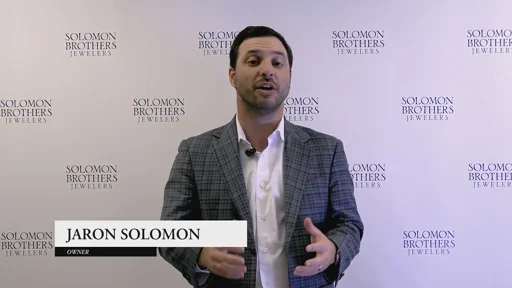
ALPHARETTA, Ga., Oct. 9, 2026 /PRNewswire/ -- What do buyers often overlook when deciding which metal is right for the jewelry they plan to wear every day? A HelloNation article addresses that question by explaining how different metals behave once they leave the display case. The article also shows how factors like comfort, durability, maintenance, and shine can shift a buyer's decision in unexpected ways. The insights appear in a HelloNation article linked to Solomon Brothers Jewelers in Alpharetta, where Jaron Solomon works with clients who want pieces that last.

The HelloNation article explores how people often choose a metal based solely on color. Jewelry Expert Jaron Solomon notes that a piece's true performance depends on more than looks. He explains how a metal reacts to daily wear and how it supports gemstones over time. The piece makes clear that selecting the right metal is both a design decision and a practical one. This holds true even for buyers who choose a light jewelry metal, since how it feels on the skin changes how someone interacts with it each day.

The article describes platinum as one of the most dependable options for long-term use. Jewelry Expert Jaron Solomon explains that platinum is dense and strong, which helps keep stones secure. Even as a piece ages, it maintains structure through daily wear. Many people prefer its noticeable weight, while others choose a lighter feel. The article emphasizes that platinum retains its natural color without surface treatment. This helps clients compare it directly with white gold and understand how platinum behaves differently from a light jewelry metal, even when both appear similar in color.

The article also discusses white gold in detail. The HelloNation article explains why many buyers enjoy its bright, crisp appearance. The metal is lighter than platinum, which suits buyers who want daily-wear jewelry without added weight. The article notes that white gold needs rhodium to maintain its tone, and that this coating can soften over time. Even so, the metal remains popular for its blend of shine and comfort. Buyers who prefer a light jewelry metal often compare white gold to other options because it offers a clean look that fits many design styles.

The article also reviews yellow gold and explains why its warm appearance holds steady across trends. According to Jewelry Expert Jaron Solomon, yellow gold works with many skin tones and holds a consistent color without relying on surface treatments. It may show small marks with heavy use, but these are easy to polish out. The HelloNation feature explains how yellow gold maintains its glow even with daily wear and why many people prefer it for a traditional look. Its dependable tone makes it easier for clients to match new pieces with jewelry they already own.

Rose gold receives special attention for its rising popularity. The article explains that its soft blush color comes from copper, which also helps the metal stay strong. Clients often find rose gold to be more versatile than expected because it pairs well with white stones and colored gems. It also works across a range of skin tones. Jewelry Expert Jaron Solomon helps readers understand why rose gold functions well in pieces made for daily wear. Many buyers choose it as a light jewelry metal that still provides strength.

The HelloNation article highlights what many clients discover only during a fitting. Trying on different metals shows how each one feels against the skin. The weight of platinum, the lighter touch of white gold, the warm tone of yellow gold, and the balanced strength of rose gold give buyers distinct options. The article explains why these hands-on moments often change someone's decision. Real-world conditions help buyers understand how metal affects light reflection and comfort, even when pieces look identical in a display.

Another central point is how each metal interacts with gemstones. Heavy daily wear can influence how stones sit over time. Platinum holds stones securely because of its density, while white gold stays bright but may need surface care. Yellow gold maintains a consistent tone, and rose gold offers supportive strength through its copper blend. The HelloNation article encourages readers to consider the metal's future performance rather than just its initial appearance. It also notes that choosing a light jewelry metal doesn't mean sacrificing durability, as long as the buyer understands each alloy's properties.

Throughout the article, Jewelry Expert Jaron Solomon stresses that buyers should consider how they use their hands each day. Someone who works with equipment may prefer a metal that resists bending. Someone who types all day may focus on how the metal feels as it moves. Someone who wants a modern shine may lean toward white gold, while someone who values depth of color may pick yellow gold. These small decisions add up to a piece that feels natural during daily wear and stays reliable for years.

The HelloNation article also shows how maintenance needs differ across metals. Platinum develops a natural patina that many people enjoy. White gold requires replating to keep its bright tone. Yellow gold may need polishing after heavy use, while rose gold offers balanced performance with limited upkeep. These differences help buyers choose a metal that matches their routine. When you consider comfort and color, the right metal becomes clear.

In the end, the article shows that choosing a metal is about long-term satisfaction. Jewelry Expert Jaron Solomon uses his experience to guide buyers toward pieces that match their daily habits. By explaining the strengths of platinum, white gold, yellow gold, and rose gold, the article equips readers to make informed decisions about any light jewelry metal they might consider.

What Most People Don't Know About Choosing the Right Metal features insights from Jaron Solomon, a jewelry expert in Alpharetta, GA, in HelloNation.

About HelloNation

HelloNation is a premier media platform that connects readers with trusted professionals and businesses across various industries. Through its innovative "edvertising" approach that blends educational content and storytelling, HelloNation delivers expert driven articles that inform, inspire, and empower. Covering topics from home improvement and health to business strategy and lifestyle, HelloNation highlights leaders making a meaningful impact in their communities.

SOURCE HelloNation

Share this article

Class (B2B/B2C)
B2C
Ingest Status
Rewritten
Dedupe hash
prn_302903567
Press Eligible
Yes
Press Eligible Reason
Consumer-facing article offering practical advice on choosing and maintaining everyday jewelry metals.
Source Name
Unknown Company
Original Summary

<p>The Article Explores How Platinum, White Gold, Yellow Gold, and Rose Gold Differ in Durability, Comfort, Appearance, and Maintenance. ALPHARETTA, Ga., Oct. 9, 2026 /PRNewswire/ -- What do buyers often overlook when deciding which metal is right for the jewelry they plan to wear every day?...</p>

Image URL
https://mmx.prnewswire.com/media/MS2005947/HelloNation-Jaron-Solomon.mp4?id=OA2997742&p=thumbnail
Content Hash (SHA-256, erste 32 hex)
bdfd95a1c356d33bf754193f0341b494
In HelloNation, Audiology Expert Dr. Nicole Anzalone Explains What to Expect During Vestibular Testing
Image File
Original HTML

The article explains how different tests evaluate the inner ear, eye movements, and balance function to help investigate dizziness and related symptoms.

SYRACUSE, N.Y., Oct. 9, 2026 /PRNewswire/ -- What should you expect during a vestibular evaluation?

HelloNation has published an article featuring insights from Audiology Expert Dr. Nicole Anzalone of Syracuse Hearing Solutions that provides the answer.

The article explains that vestibular testing can help healthcare providers investigate dizziness and balance problems by evaluating how the inner ear and related systems are functioning. Because these symptoms can have several possible causes, testing provides measurable information that can help narrow the possibilities.

The vestibular system is located within the inner ear and works with the eyes, brain, muscles, and joints to help the body maintain balance and understand its position during movement. When the vestibular system is not functioning normally, symptoms can include unsteadiness, difficulty walking, or vertigo.

Before a vestibular evaluation begins, the provider will typically discuss the patient's symptoms and medical history. Questions may address when episodes occur, how long they last, whether certain movements make them worse, and whether hearing changes or other medical conditions are present.

Eye movement testing is often part of vestibular testing because the eyes and inner ear work closely together. Specialized equipment may record eye movements as a patient follows visual targets or changes head position. Certain patterns can provide useful information about how the balance system responds to movement and visual input.

A balance test may also be included in the evaluation. During a balance test, the patient may stand under different conditions while the provider observes or measures how the body maintains stability. These exercises can help show which sources of sensory information a person relies on to remain steady.

Positioning tests may be appropriate when vertigo occurs after movements such as rolling over in bed or looking upward. The provider carefully moves the patient's head and body into specific positions while observing symptoms and eye movements. This can help determine whether a positional problem involving the inner ear may be contributing to the symptoms.

Some testing may also stimulate the inner ear while eye movements are recorded. Although most testing is noninvasive, certain portions may temporarily reproduce familiar dizziness. The article explains that this response can provide useful information about how the balance system is working.

Preparation instructions can vary depending on the tests being performed. Patients may receive guidance involving medications, food, caffeine, alcohol, makeup, or other factors that could affect results. Comfortable clothing can also make movement easier, and patients should tell the provider about limitations involving the neck, back, vision, or mobility.

After the vestibular evaluation, results are considered alongside symptoms and medical history. Testing does not necessarily provide a single diagnosis by itself. Instead, the information can help providers investigate possible causes of balance problems and determine whether additional care or evaluation may be appropriate.

Treatment depends on what is contributing to the symptoms. Some patients may benefit from vestibular rehabilitation, while others may require hearing tests, medication management, further medical evaluation, or treatment for a specific condition.

The article concludes that people can experience dizziness in very different ways, from spinning sensations to lightheadedness or instability. Understanding what happens during testing can make the process more predictable while helping patients see how each portion of the evaluation contributes to assessing balance function.

Vestibular Testing: What to Expect During Your Evaluation features insights from Dr. Nicole Anzalone, Audiology Expert of Syracuse, NY, in HelloNation.

About HelloNation

HelloNation is America's Good News Network, a premier media platform built on the idea that good news travels faster when real people tell real stories. Through its community-focused publications and innovative "edvertising" approach, HelloNation delivers content that informs, inspires, and spotlights the leaders making a meaningful impact in their communities.

SOURCE HelloNation

Share this article

Class (B2B/B2C)
B2C
Ingest Status
Rewritten
Dedupe hash
prn_302902905
Press Eligible
Yes
Press Eligible Reason
Patient-focused healthcare information about vestibular testing and balance evaluation.
Source Name
Unknown Company
Original Summary

<p>The article explains how different tests evaluate the inner ear, eye movements, and balance function to help investigate dizziness and related symptoms. SYRACUSE, N.Y., Oct. 9, 2026 /PRNewswire/ -- What should you expect during a vestibular evaluation? HelloNation has published an article...</p>

Image URL
https://i.ytimg.com/vi/jfsSoQg9Dyk/hqdefault.jpg
Content Hash (SHA-256, erste 32 hex)
ebf5d2a6dc2f82ce318f0b9d0918e7fb
Federated Hermes, Inc. announces third quarter 2026 earnings and conference call dates
Image File
Original HTML

PITTSBURGH, Oct. 9, 2026 /PRNewswire/ -- Federated Hermes, Inc. (NYSE: FHI), a global leader in active investing, will report financial and operating results for the quarter ended Sept. 30, 2026, after the market closes on Thursday, Oct. 29, 2026. A conference call for investors and analysts will be held at 9 a.m. Eastern on Friday, Oct. 30, 2026. President and Chief Executive Officer J. Christopher Donahue and Chief Financial Officer Thomas R. Donahue will host the call.

Investors interested in listening to the conference call should dial 888-506-0062 (domestic) or 973-528-0011 (international) or visit FederatedHermes.com/us for real-time internet access. To listen online, go to the About section of the website to register and join the call.

A telephone replay of the call will begin at approximately 12:30 p.m. Eastern on Oct. 30, 2026. To access the telephone replay, dial 877-481-4010 (domestic) or 919-882-2331 (international) and enter the access code 54652. The online replay will be available via FederatedHermes.com/us for one year.

Federated Hermes, Inc. (NYSE: FHI) is a global leader in active investment management, with $911.6 billion in assets under management, as of June 30, 2026. We deliver investment solutions that help investors target a broad range of outcomes and provide equity, fixed-income, alternative/private markets, multi-asset and liquidity management strategies to more than 11,000 institutions and intermediaries worldwide. Our clients include corporations, government entities, insurance companies, foundations and endowments, banks and broker/dealers. Headquartered in Pittsburgh, Federated Hermes has more than 2,200 employees in London, New York, Boston and offices worldwide. For more information, visit FederatedHermes.com/us.

###

SOURCE Federated Hermes, Inc.

Share this article

Class (B2B/B2C)
B2B
Ingest Status
Rewritten
Dedupe hash
prn_302903570
Press Eligible
Yes
Press Eligible Reason
Corporate earnings announcement and investor conference call details.
Source Name
Unknown Company
Original Summary

<p>PITTSBURGH, Oct. 9, 2026 /PRNewswire/ -- Federated Hermes, Inc. (NYSE: FHI), a global leader in active investing, will report financial and operating results for the quarter ended Sept. 30, 2026, after the market closes on Thursday, Oct. 29, 2026. A conference call for investors and...</p>

Image URL
https://mma.prnewswire.com/media/1084941/Federated_Hermes_Logo.jpg?p=facebook
Content Hash (SHA-256, erste 32 hex)
e93542d96133725965a22e21e4bb1986