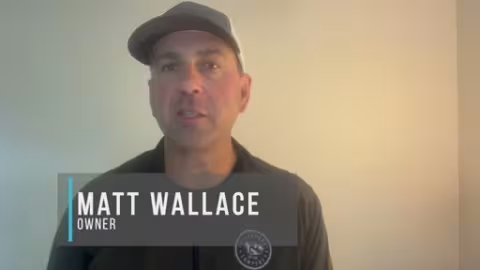
Madison, Wisconsin – – October 02, 2026 -- A crack in a driveway or patio might look like a simple patch job, but a new HelloNation article featuring Concrete Expert Matt Wallace of The Concrete Company in Madison, Wisconsin, warns that fixing only the surface can let the same damage return.
Wallace explains that concrete cracks for many different reasons, including normal settling, freeze and thaw cycles, heavy vehicle traffic, poor drainage, tree roots, and unstable soil. The right repair depends on identifying which of these factors caused the damage in the first place.
Small cracks can still signal bigger problems
Shallow cracks, minor chips, and light surface wear are often good candidates for cosmetic repair when the concrete underneath remains stable, according to the article. But cracks that keep growing or show up in multiple spots may point to a deeper structural issue that needs closer evaluation.
Shifted slabs often mean trouble below the surface
Larger cracks require a more detailed look, the article notes. When sections of a driveway or patio have settled or shifted, simply filling the visible crack won't stop further movement if poor soil, an unstable base, or water beneath the slab are still at work.
Standing water quietly weakens the ground beneath concrete
Water that repeatedly pools around concrete can gradually erode the supporting soil and cause uneven settling. The article advises correcting drainage issues before any repair is finished, since skipping that step leaves the original cause of the cracking untouched.
A slab's age can decide between patching and replacing it
According to the article, a newer slab with isolated damage may respond well to repair if the surrounding concrete is still sound. Older surfaces with widespread cracking, repeated repairs, or major settlement may have reached the point where replacement is the more reliable long-term fix.
Daily use matters too. The article points out that a patio supporting outdoor furniture faces different stresses than a driveway handling multiple vehicles every day, which affects whether a repair will hold up or whether structural work is needed.
The article concludes that durable concrete repair comes from weighing cracks, drainage, soil conditions, age, and daily use together, rather than treating visible damage as the whole story.