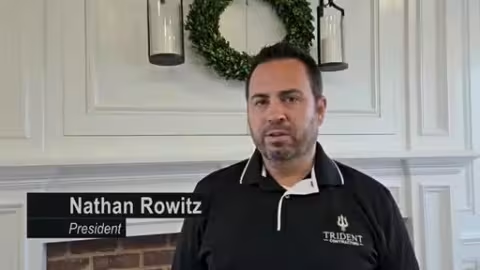
Fairfax – September 22, 2026 -- A missing shingle or a faint ceiling stain might look harmless, but according to Storm Restoration Expert Nathan Rowitz of Trident Contracting, Inc., those small signs often hide deeper structural damage in homes across Fairfax, Virginia.
Water travels along framing, not straight down
Rowitz explains that a ceiling stain in a hallway can actually originate from missing shingles on a distant part of the roof. Moisture moves beneath the roofing surface once wind loosens flashing or lifts shingles, following framing lines rather than a direct path to the visible damage.
Wet insulation can hide problems for weeks
Even when an attic inspection shows no active dripping, insulation can hold moisture long after a storm passes. This delays visible signs of damage until the materials begin to dry out, meaning early problems can go unnoticed without a professional check.
Temperature swings widen hidden cracks
Fairfax's shifting weather adds another layer of risk. When temperatures drop after a storm, water-soaked materials shrink and widen small cracks; when it warms again, they release moisture back into the home. That cycle raises the risk of mold, particularly when damage is hidden inside attics or wall cavities.
Soft spots on the roof deck signal trouble
Rowitz notes that a restoration contractor checks the feel of the roof deck while walking across it -- soft spots indicate trapped moisture or early rot. Combined with missing shingles, a weakened deck raises the odds that the next storm will let water inside.
Granule loss reveals wind-pressure patterns
Granule loss on shingles helps identify where wind pressure hit hardest during a storm. Areas with heavier loss often point to weakened protection that could let water reach the roof deck, while shifts in drywall texture or trim boards days later can mean water is already moving behind the wall.
Early detection keeps repairs contained
Rowitz stresses that a professional evaluation aims to clarify whether damage is structural, cosmetic, or limited to insulation -- not to push unnecessary work. Restoration contractors also gather detailed photos and notes to document how a storm caused the damage, which can help homeowners avoid delays when filing insurance claims.